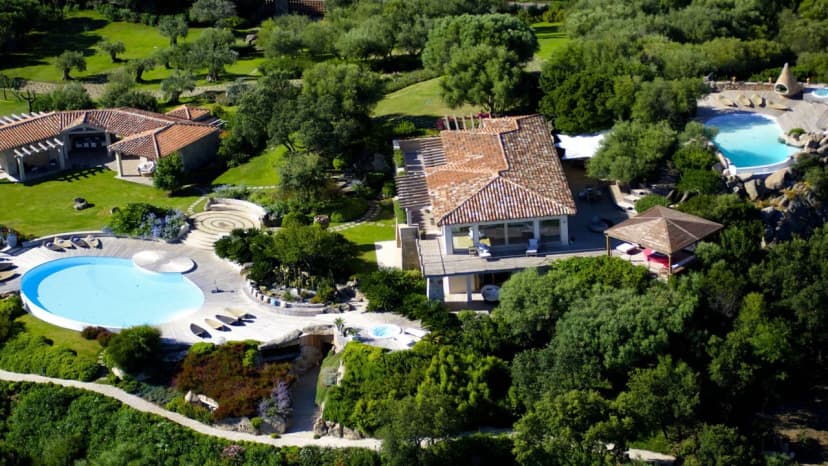
Exclusive Seaside Estate With Private BeachN°001
Italy (other), Italy
Private PoolSpa
From $55,041 per night

Sardegna, or Sardinia, is the Mediterranean's second-largest island, famed for water so clear it draws comparisons with the Caribbean, from the granite coves of Gallura in the north to the white sands of Villasimius in the south. A private-pool villa here puts you steps from quiet beaches while keeping the island's ancient interior, superb food and long summer within easy reach.
Cagliari's centuries-old procession carries the statue of Sant'Efisio through the city amid thousands in traditional Sardinian dress, launch of one of Italy's great folk spectacles.
A breathtaking bareback horse race around the sanctuary of San Costantino at Sedilo, in the island's interior. One of the most intense traditional events in the Mediterranean.
Trumpeter Paolo Fresu's festival fills his home town in Gallura, and stages across the north, with world-class jazz in piazzas, churches and countryside settings.
Mountain villages across the Barbagia region take turns opening courtyards, workshops and kitchens to visitors each weekend, a moving feast of crafts, food and tradition.
The maquis blooms, temperatures climb into the pleasant twenties and the celebrated beaches are at their quietest, with the sea swimmable from late May.
Hot, dry days made for turquoise coves, boat trips through La Maddalena and long evenings outdoors. The liveliest weeks of the Sardinian year.
September delivers the year's warmest water without the crowds, while the vendemmia and Autunno in Barbagia open the island's food culture.
Cagliari and the coasts stay mild, hiking is at its best and Carnival traditions such as the Mamuthones of Mamoiada offer a glimpse of deep Sardinia.
Sardegna rewards choosing your coast. In the south-east, Villasimius anchors one of the island's finest beach districts, with the long white crescent of Notteri beside Capo Carbonara's marine reserve and villa enclaves at Porto Sa Ruxi and Cala Caterina set among juniper and granite just above the water; Cagliari, the lively island capital, is under an hour away. The north tells a different story: Costa Paradiso is a low-built resort landscape of sculpted red granite and hidden coves on the Gallura coast, while the Santa Teresa Gallura area, including quiet hamlets such as Lu Pultiddolu, faces Corsica across the Strait of Bonifacio, and the celebrated Costa Smeralda glitters a little further east. Our collection spans both, favouring detached villas with pools, sea views and short walks to sand over busy resort complexes.
The sea is the main event. Snorkel the protected waters off Capo Carbonara near Villasimius, take a rib or skippered boat through the La Maddalena archipelago's islands and swimming stops in the north, or simply work through a different cove each day. Inland, Sardegna is one of Europe's most distinctive landscapes: the UNESCO-listed nuraghe of Su Nuraxi at Barumini is the best of thousands of Bronze Age stone towers scattered across the island, and the mountain villages of Barbagia preserve traditions found nowhere else in Italy. Cagliari offers a castle quarter, museums and flamingo lagoons; Alghero, on the north-west coast, keeps its Catalan walls and old town. Hiking, diving, windsurfing at Porto Pollo and golf at Pevero round out active days, all bookable through your concierge.
Sardinian cooking is its own school of Italian food. By the sea, expect fregola with clams, grilled catch, sea urchin in season and bottarga, the pressed mullet roe grated over pasta. The interior contributes porceddu, spit-roasted suckling pig, paper-thin pane carasau bread and remarkable pecorino cheeses from the island's ubiquitous sheep. Vermentino di Gallura, the island's only DOCG white, is the natural partner to seafood, while Cannonau reds accompany the mountain table; both are credited in discussions of the island's famous longevity. Agriturismi in the countryside serve set feasts worth planning an evening around, and your concierge can arrange private chefs, wine tastings and tables at the coast's best-regarded restaurants.
The season runs long. May and June bring warm, settled days, wildflowers and beaches at their emptiest, with the sea already pleasant by late May. July and August are peak Italian summer: hot, vibrant and busy, especially around the Costa Smeralda, so villas book far in advance. September is many regulars' favourite month, with the water at its warmest and the crowds gone; swimming often stays comfortable into early October. Winter is quiet on the coasts but mild in Cagliari, and spring festivals such as Sant'Efisio wake the island by early May. For a private villa with pool, anytime from mid-May to early October delivers.
Sardegna has three international airports. Cagliari (CAG) serves the south and is around 50 minutes' drive from Villasimius; Olbia (OLB) is the gateway to the Costa Smeralda, La Maddalena and the Gallura coast, roughly an hour from Costa Paradiso and Santa Teresa Gallura; Alghero (AHO) covers the north-west. All three receive direct seasonal flights from across Europe and year-round Italian connections. Car and passenger ferries also run from Civitavecchia, Genoa and Livorno to Olbia, Golfo Aranci, Porto Torres and Cagliari, useful if you prefer to bring a car. On the island, a hire car is essential, and your concierge can arrange transfers and boat charters.


