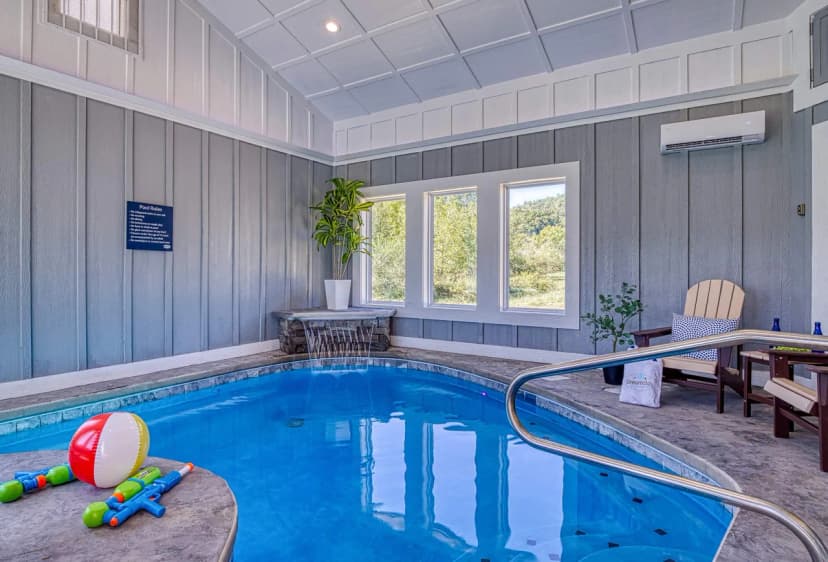
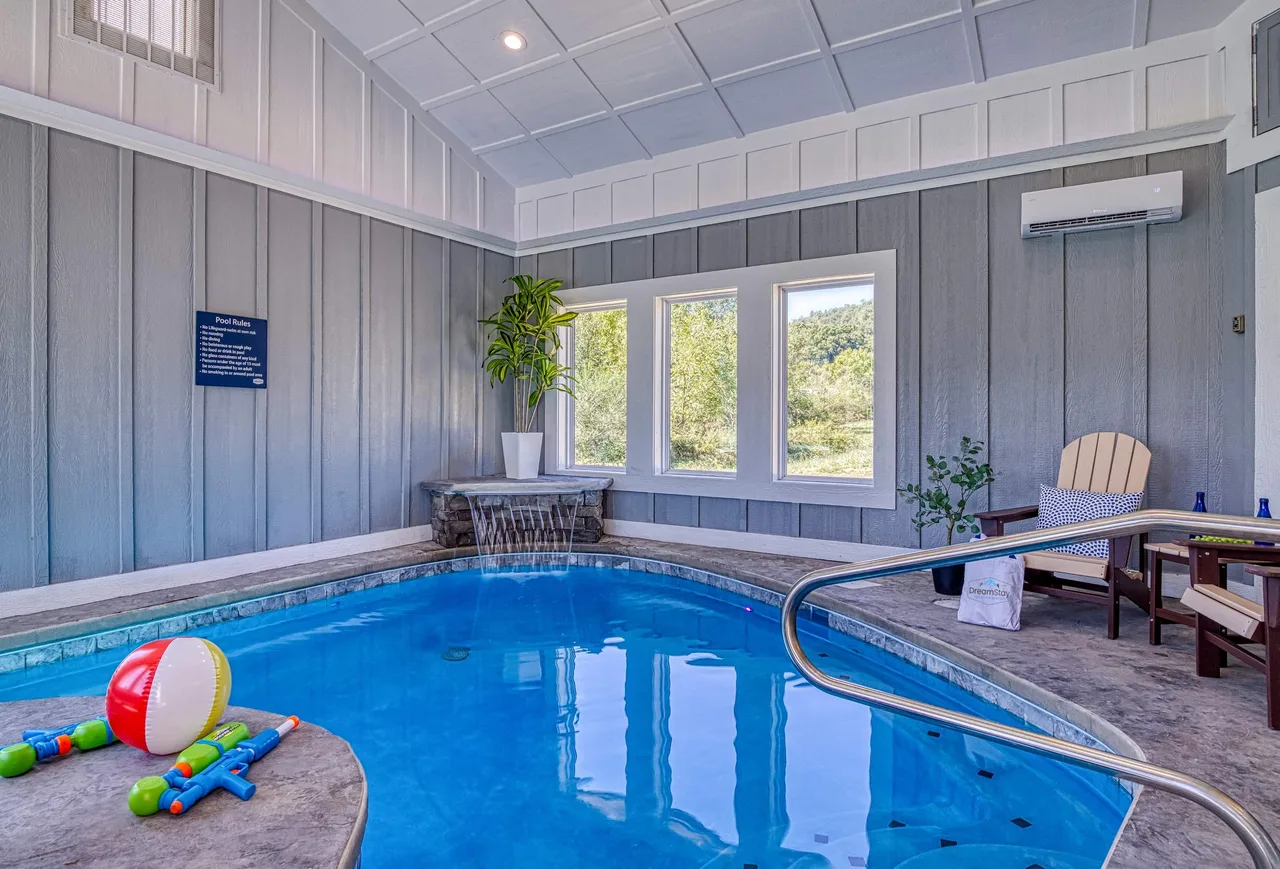
Mountain View Splash – New! Pool, Hot Tub & ViewsN°001
Smoky Mountains, USA
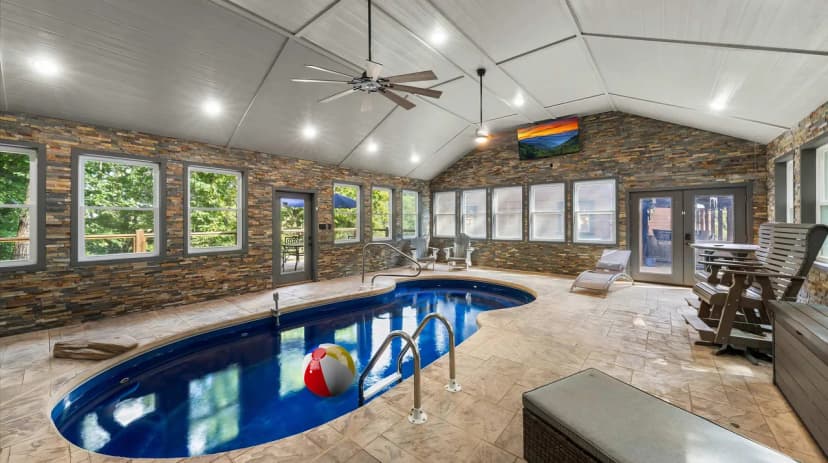
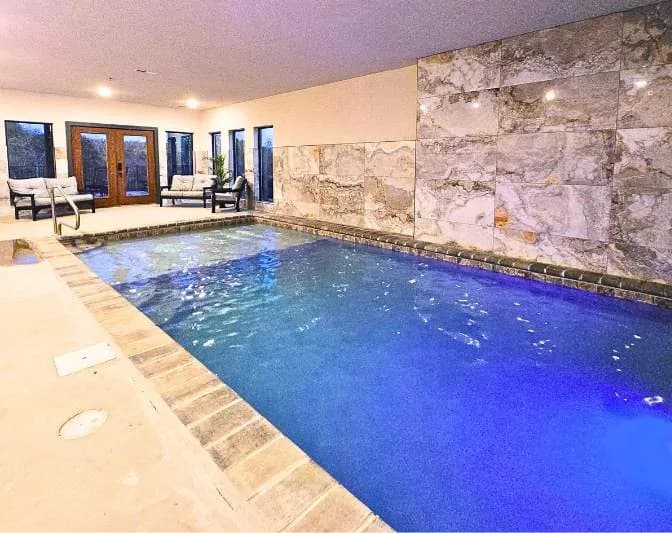
Private poolHot TubSauna
From $2,606 per night
The Great Smoky Mountains straddle the Tennessee and North Carolina border, their forested ridges wrapped in the blue haze that gives them their name, and anchor America's most visited national park. A luxury cabin in the hills above Gatlinburg, Pigeon Forge or Sevierville puts waterfalls, wildlife and Dollywood on your doorstep, with hot tubs, game rooms and long-view decks waiting at the end of each day.
For about two weeks each year, thousands of fireflies in the Elkmont area flash in unison, one of the rarest natural light shows on Earth. Viewing access is controlled by a park lottery, so plan months ahead.
The national park celebrates its extraordinary botanical diversity with a multi-day programme of guided walks and talks, timed to the peak of the spring wildflower bloom.
A long-running gathering of Appalachian craftspeople, from woodcarvers to potters and dulcimer makers, demonstrating and selling their work in Gatlinburg. The October edition pairs perfectly with foliage season.
Gatlinburg, Pigeon Forge and Sevierville string up millions of lights for a months-long celebration, joined by Dollywood's acclaimed Christmas festival. The mountain towns are at their cosiest.
Snowmelt swells the park's cascades while trilliums, orchids and violets carpet the forest floor, celebrated each April by the Spring Wildflower Pilgrimage.
Synchronous fireflies open the season at Elkmont, followed by long green days of hiking, river rafting, Dollywood coasters and evenings in the cabin hot tub.
From mid-October the hardwood forests blaze red and gold across the ridgelines, best absorbed from a cabin deck at sunrise or the road to Clingmans Dome.
Millions of Winterfest lights illuminate the gateway towns while snow dusts the high peaks, leaving trails peaceful and cabins at their most inviting.
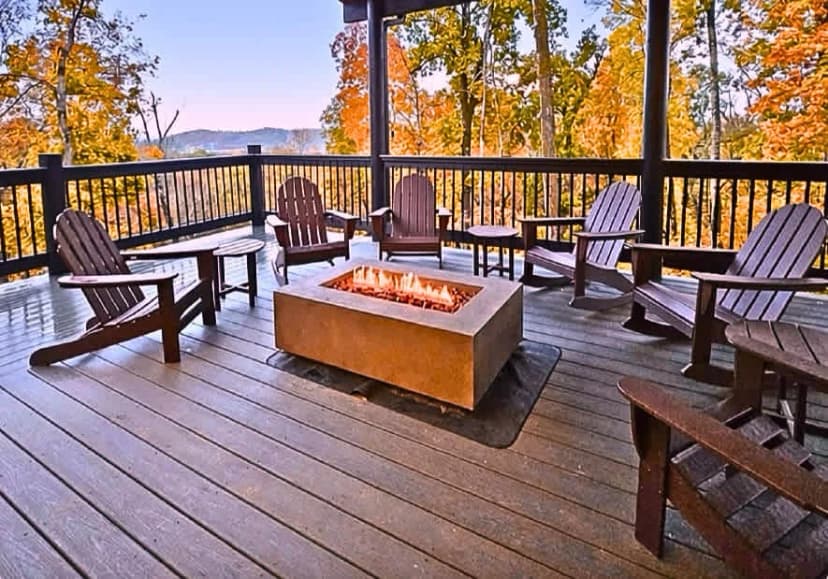
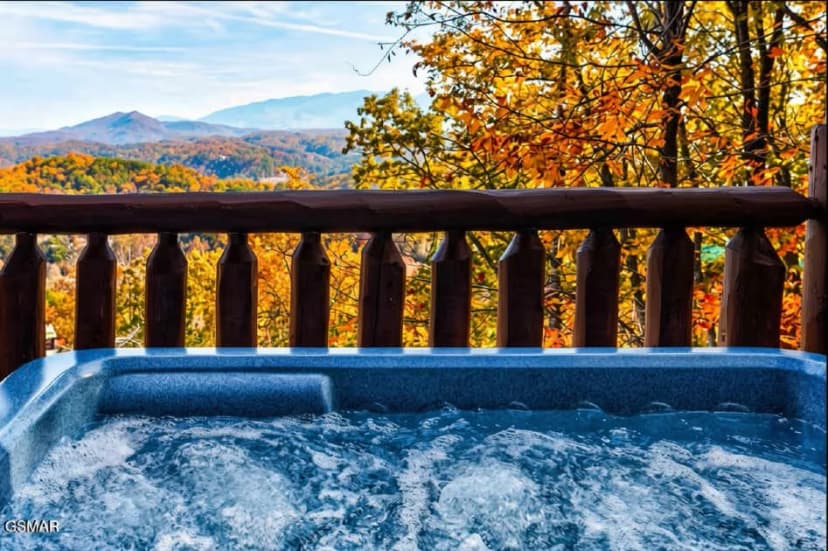
Three Tennessee towns form the gateway to the national park, each with its own personality. Gatlinburg presses right against the park boundary, a walkable strip of restaurants, distilleries and attractions with trailheads minutes away. Pigeon Forge is the entertainment capital, home to Dollywood, dinner shows and family attractions along its famous Parkway. Sevierville, Dolly Parton's home town, spreads into quieter farmland and river valleys, while Wears Valley offers the most pastoral setting of all. The classic way to stay is a log cabin or mountain lodge in the wooded hills above these towns, where multi-bedroom homes come with wraparound decks, hot tubs, home cinemas and game rooms. Ten minutes of winding road buys genuine seclusion, and our concierge arranges everything from grocery stocking to show tickets and guides.
Great Smoky Mountains National Park is the centrepiece: over 500,000 acres of ancient forest, waterfalls and mountain streams, with favourites including the Laurel Falls and Alum Cave trails, the drive to Clingmans Dome, the highest point in Tennessee, and the eleven-mile Cades Cove loop, where black bears, deer and wild turkeys graze among preserved settler cabins. Roaring Fork Motor Nature Trail packs old-growth forest and waterfalls into a short drive from Gatlinburg. Beyond the park, Dollywood delivers world-class coasters and Appalachian craftsmanship, Anakeesta's mountaintop park adds treetop walks and zip lines, and the Gatlinburg SkyBridge spans a dramatic valley. Families fill days with rafting on the Pigeon River, horseback rides, the Titanic Museum and Ripley's Aquarium of the Smokies, while anglers cast for trout in mountain streams.
Appalachian comfort food rules here: skillet cornbread, biscuits and gravy, country ham, barbecue and fried chicken served in portions built for hikers. Pancake houses are a genuine local institution, especially in Gatlinburg, where breakfast is an event. The region's moonshine heritage has gone legitimate, with distilleries in Gatlinburg and Pigeon Forge offering tastings of corn whiskey and flavoured shine, alongside a growing craft scene. At Dollywood, the cinnamon bread has cult status. Farmers' markets and roadside stands sell Tennessee peaches, apple butter, sorghum and local honey in season. Most groups mix restaurant nights with cabin cooking, and grocery delivery, private chefs and barbecue catering to your deck can all be arranged so the mountain view stays part of every meal.
The Smokies reward every season. Summer, June to August, is the family high season, warm and green with long days for trails, rafting and theme parks. Mid-October to early November brings the year's headline act, when the hardwood forests ignite in red and gold and the mountain roads become slow-moving galleries; book cabins well ahead. Spring is the connoisseur's season, with wildflowers so abundant the park hosts an annual pilgrimage in late April, and waterfalls at full volume. Winter is quiet and atmospheric, with light snow dusting the high ridges, millions of holiday lights in the towns from November through February, and cabin hot tubs earning their keep. Weekday visits avoid the worst of the crowds year-round.
McGhee Tyson Airport (TYS) in Knoxville is the closest gateway, roughly 45 minutes to an hour from most cabins, with connections through major US hubs including Atlanta, Charlotte, Dallas and Chicago. International travellers typically connect once from East Coast gateways. Driving is part of the region's appeal: the Smokies sit within a day's drive of much of the eastern United States, with Atlanta about three and a half hours and Nashville around three and a half hours away. A car is essential for reaching hillside cabins and exploring the park, and an SUV is sensible for steeper cabin roads in winter. Private transfers and grocery pre-stocking can be arranged before you arrive.