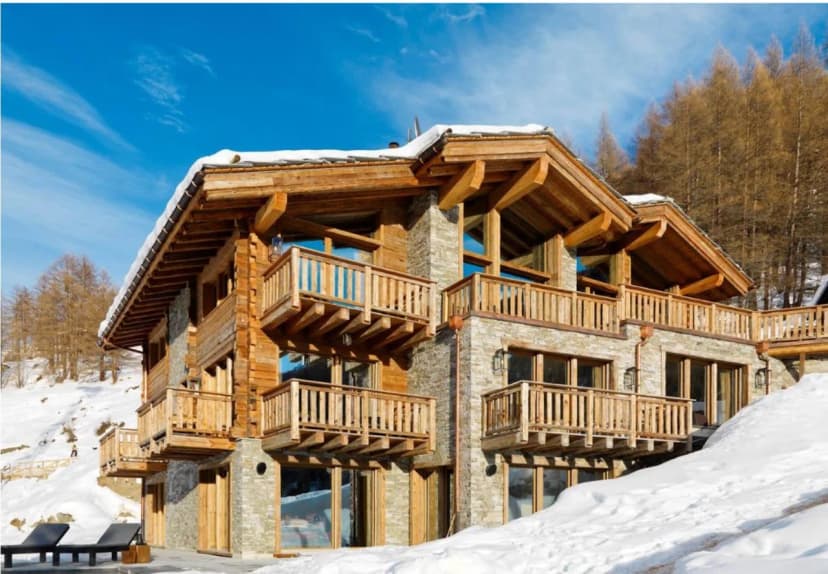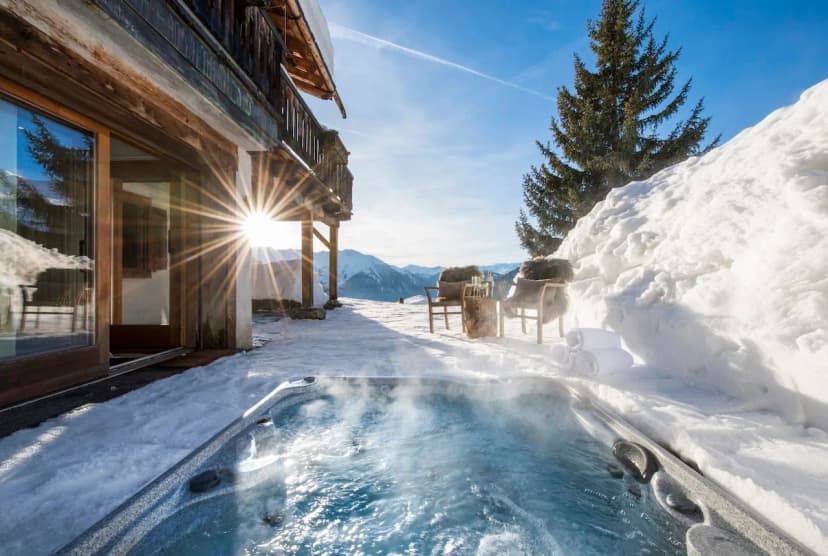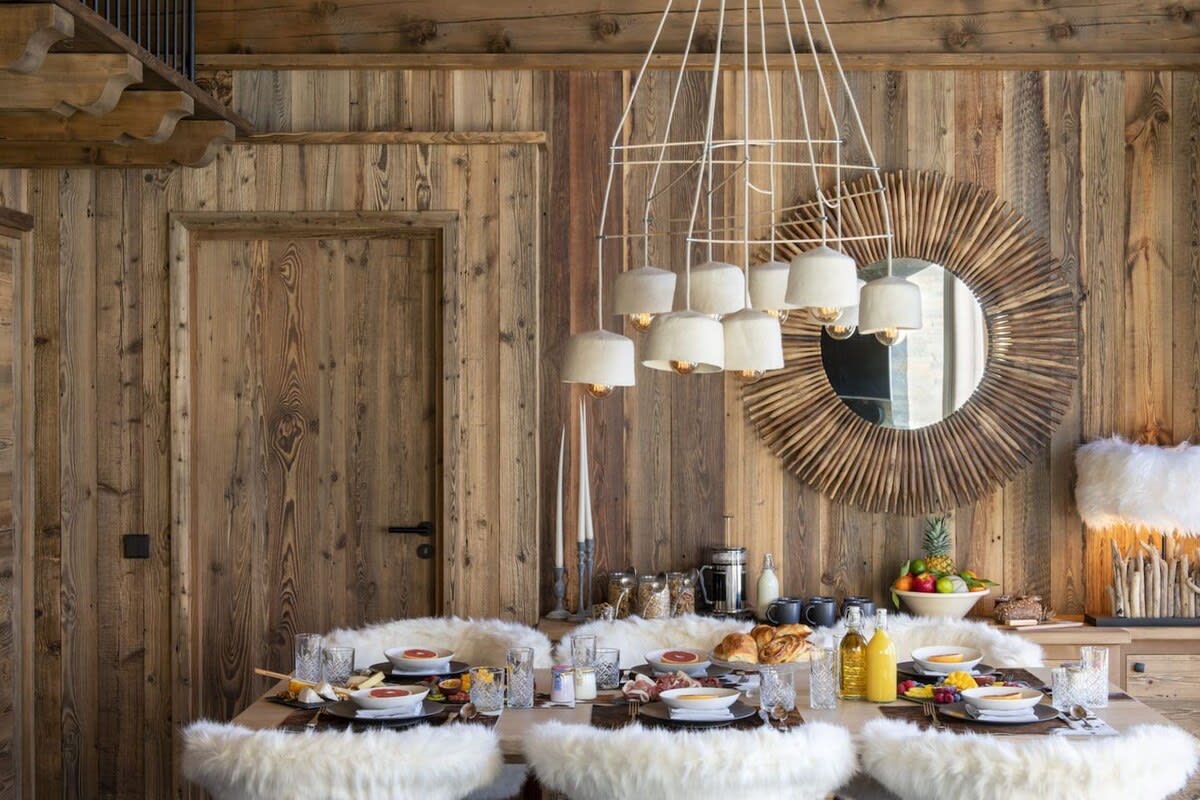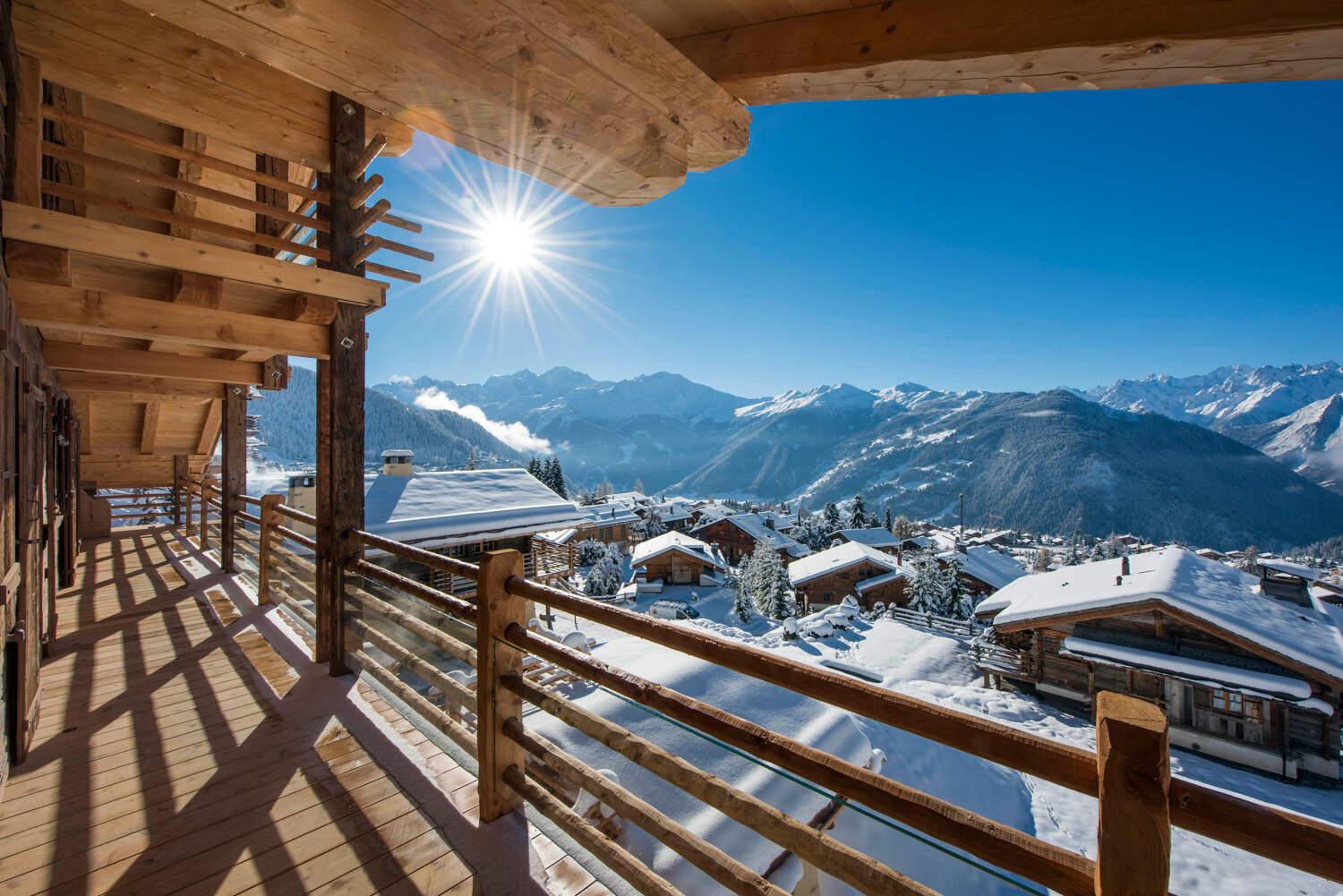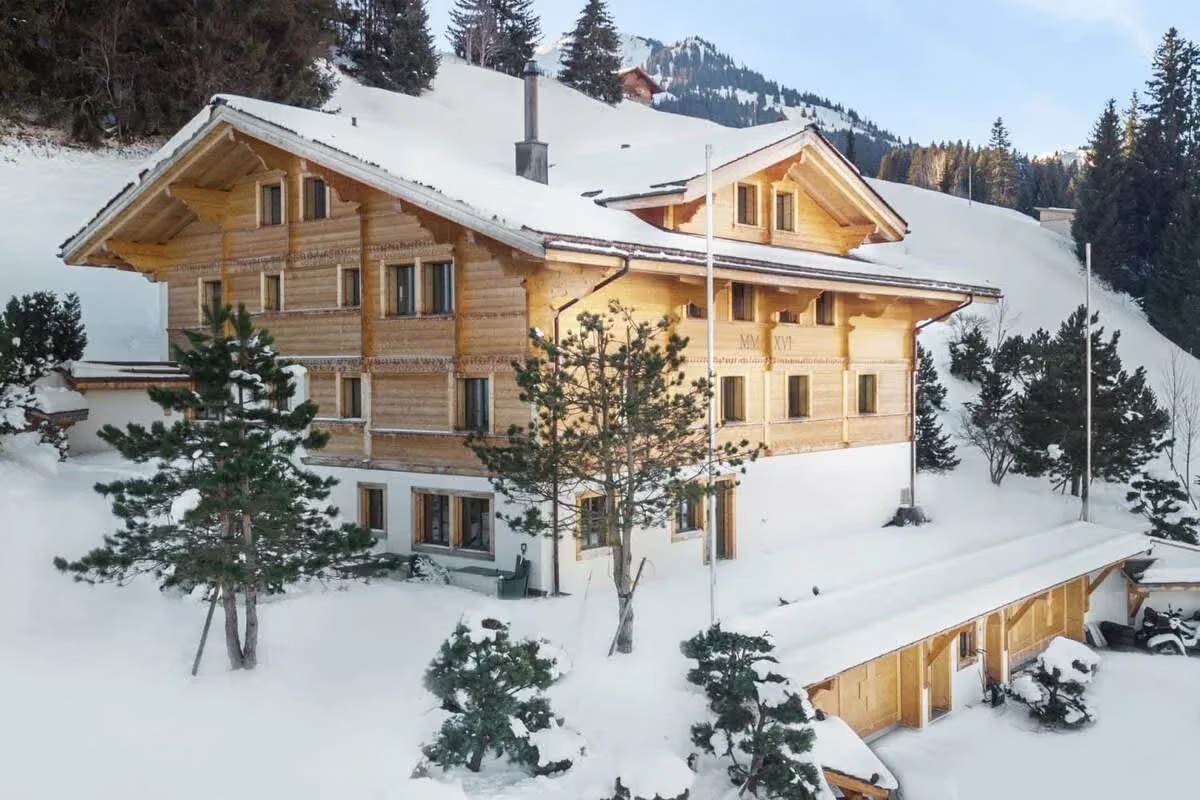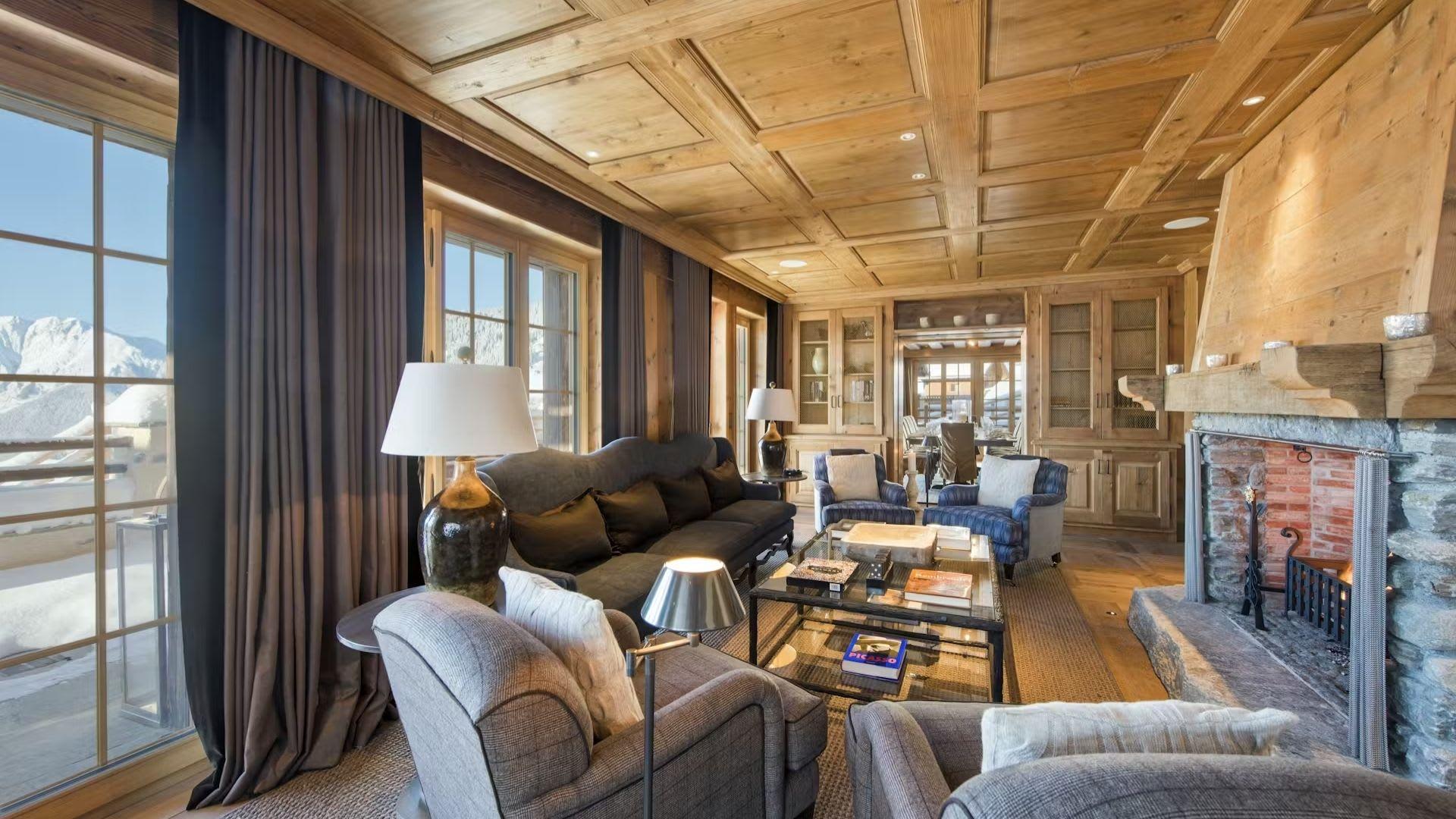
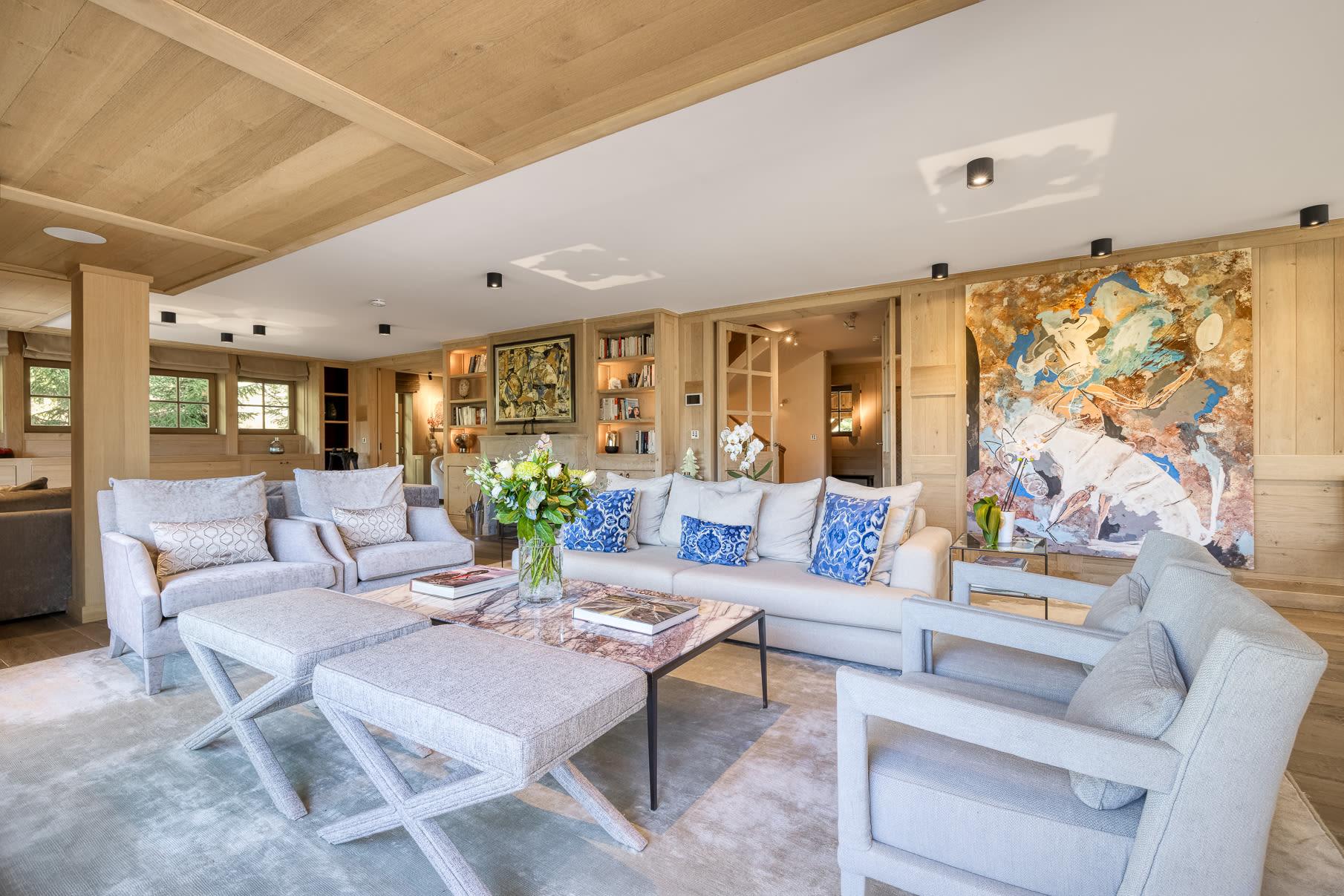
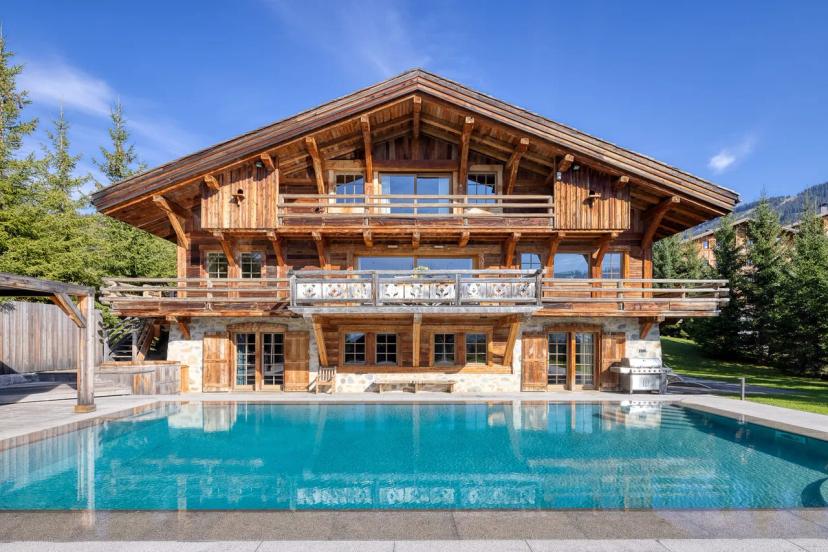
Discreet Alpine Chic With State-of-the-art Finish
Megeve, France
Private pool
Nov 13 – 20 · $91,520 for 7 nights
The Collections
Luxury villas and chalets that run on more than the grid: solar panels, heat pumps, geothermal heating, eco certification or genuinely sustainable building. Each one is here because its own listing names the feature.
View all 208 homesEco-Friendly Villas
A private house with a pool is not a low-carbon holiday, and we will not pretend it is. What a well-built house can do is use far less energy than its neighbours to give you the same warmth, the same hot water and the same evening light. That is what this collection is: homes where the owner has done the work, and says so.
Solar power is the most common feature, followed by eco certification and sustainable construction, then renewable energy, heat pumps and geothermal heating. The homes cluster in the French and Swiss Alps, around Val d'Isère, Verbier and Zermatt, with others in Copenhagen, Crete, Tuscany, the Veneto, Puglia, Mallorca and Ibiza, and further afield in Cape Town and Bali.
If you want to know exactly what a house runs on, ask. The team gets the detail from the owner rather than repeating a label.
How we choose
A home is included when its own amenities, house rules or description name a real environmental feature. Charging points for electric cars are welcome, but on their own they do not qualify, since they say more about the guest's car than about the house. If a listing makes no such claim, the home is not here. The team reviews the list and can add or remove a home after checking with the owner.
Solar panels for electricity or hot water, or a renewable energy supply.
A heat pump, or geothermal (ground-source) heating.
Rainwater collection or water recycling.
A recognised eco certification for the property.
Sustainable construction, such as reclaimed timber or a low-energy building standard.
01
Very little that you would notice, which is the point. Solar panels on a Mediterranean villa usually cover daytime electricity and much of the hot water; in sunnier places they run the pool pump and part of the air conditioning too. Some owners ask guests to run the dishwasher and washing machine in daylight, when the panels are producing, rather than overnight.
A heat pump makes heat by moving it, from the air or the ground, rather than by burning fuel. In a chalet it usually feeds underfloor heating, which feels gentler and more even than radiators but responds slowly. Turn it up when you arrive, not when you are cold. In a summer villa, a heat pump is often what warms the pool in spring and autumn, so ask for it to be switched on a couple of days ahead, because water heats slowly.
Geothermal systems, found in newer Swiss and French chalets, are the quietest of all. You hear nothing and see nothing except a steady indoor temperature.
02
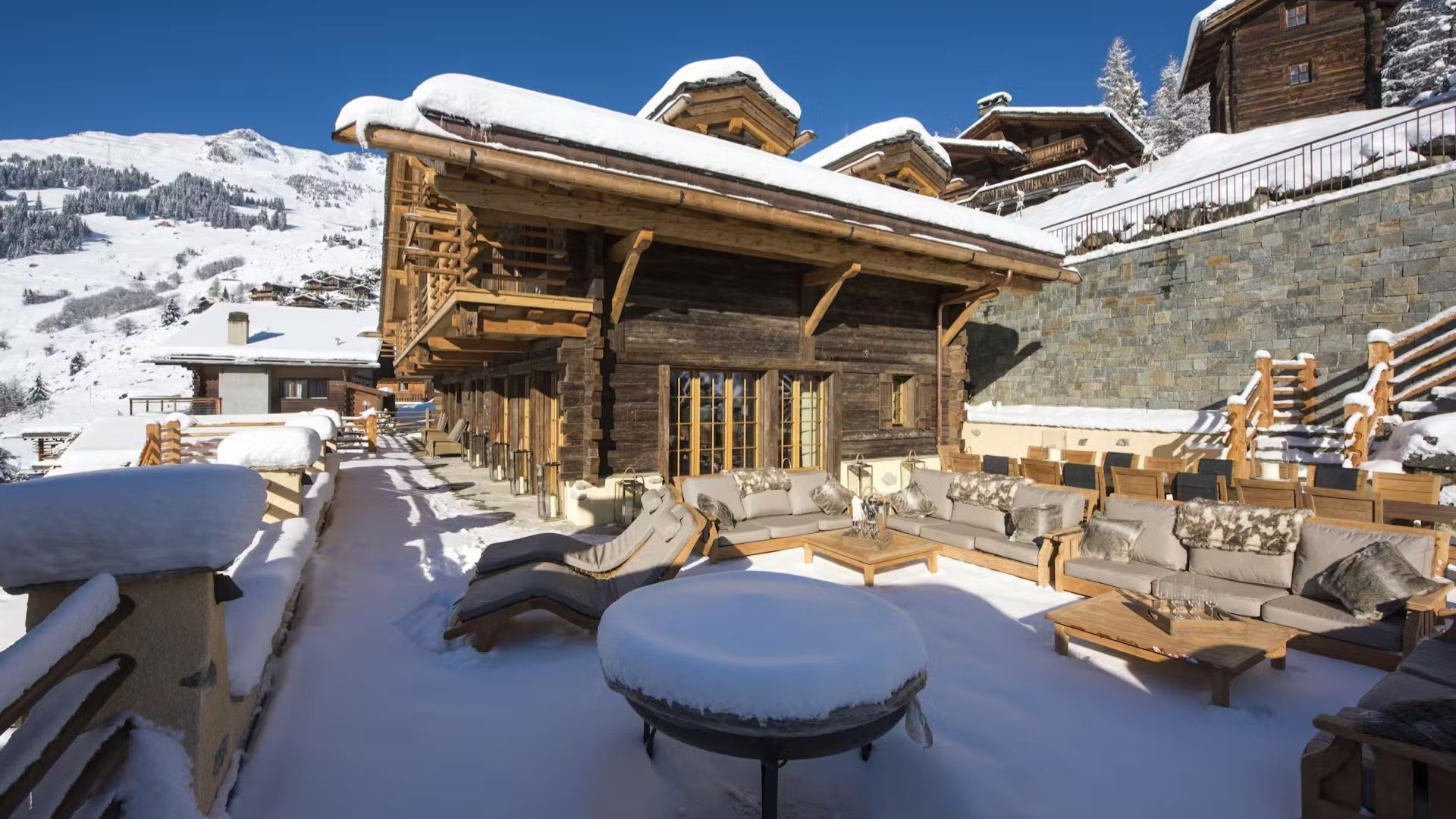
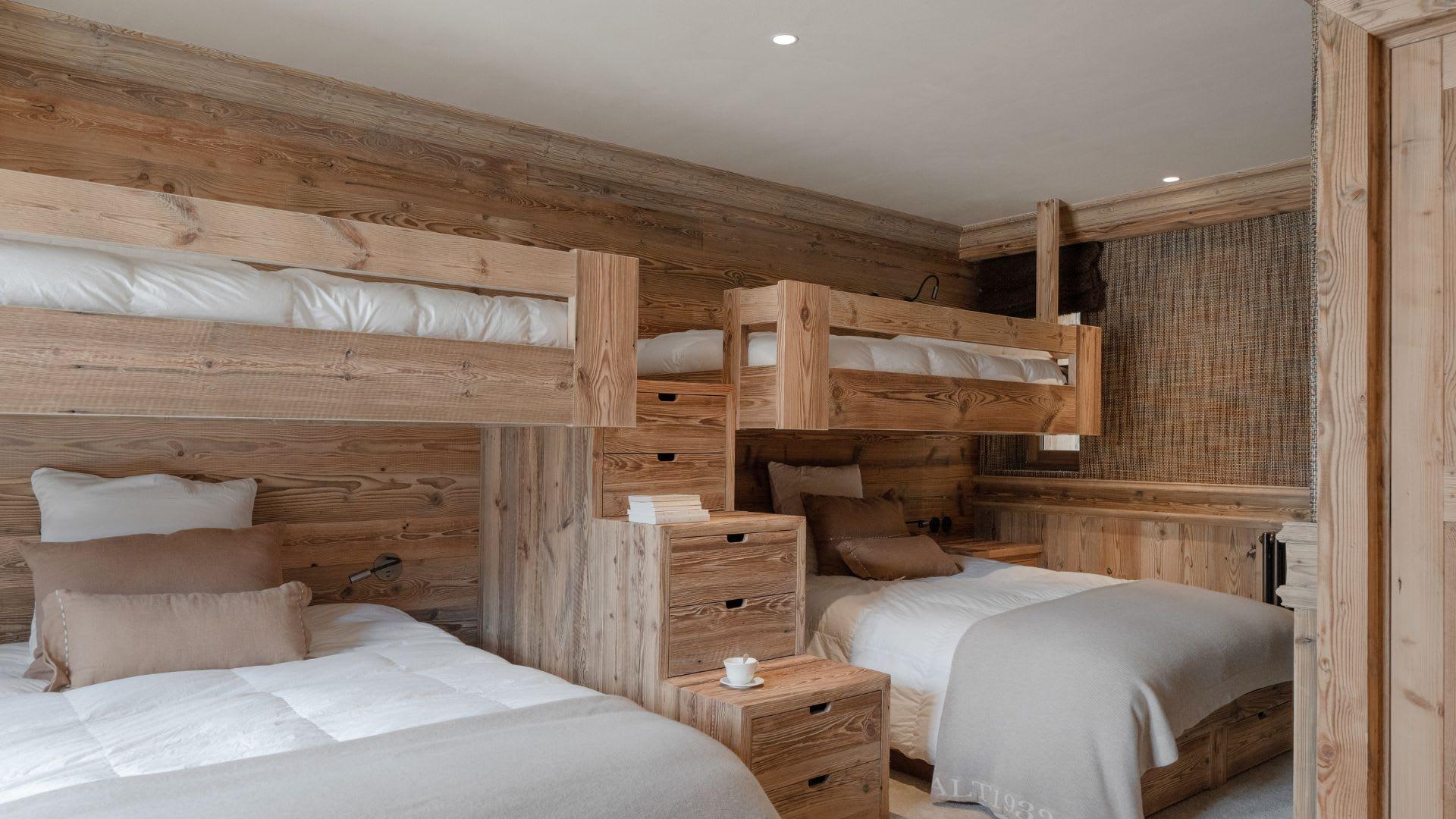
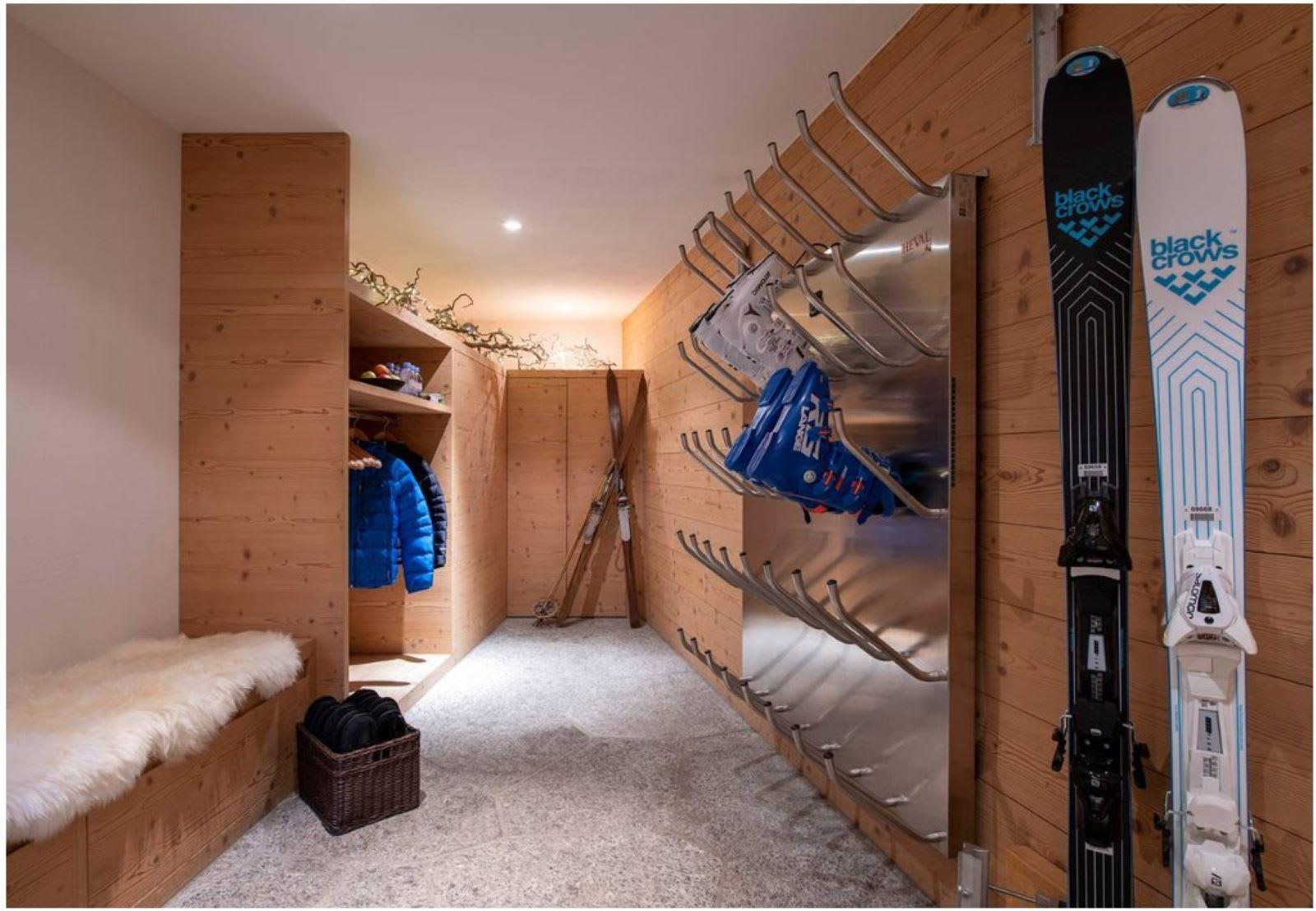
The Alps lead, and not by accident. Building rules in Switzerland and France push hard on insulation, and many newer chalets in Val d'Isère, Verbier and Zermatt are built to low-energy standards with ground-source or air-source heating. In Switzerland, the label to look for is Minergie, the national low-energy building standard. Larch, local stone and reclaimed timber are common in the better chalets, partly for looks and partly because they last.
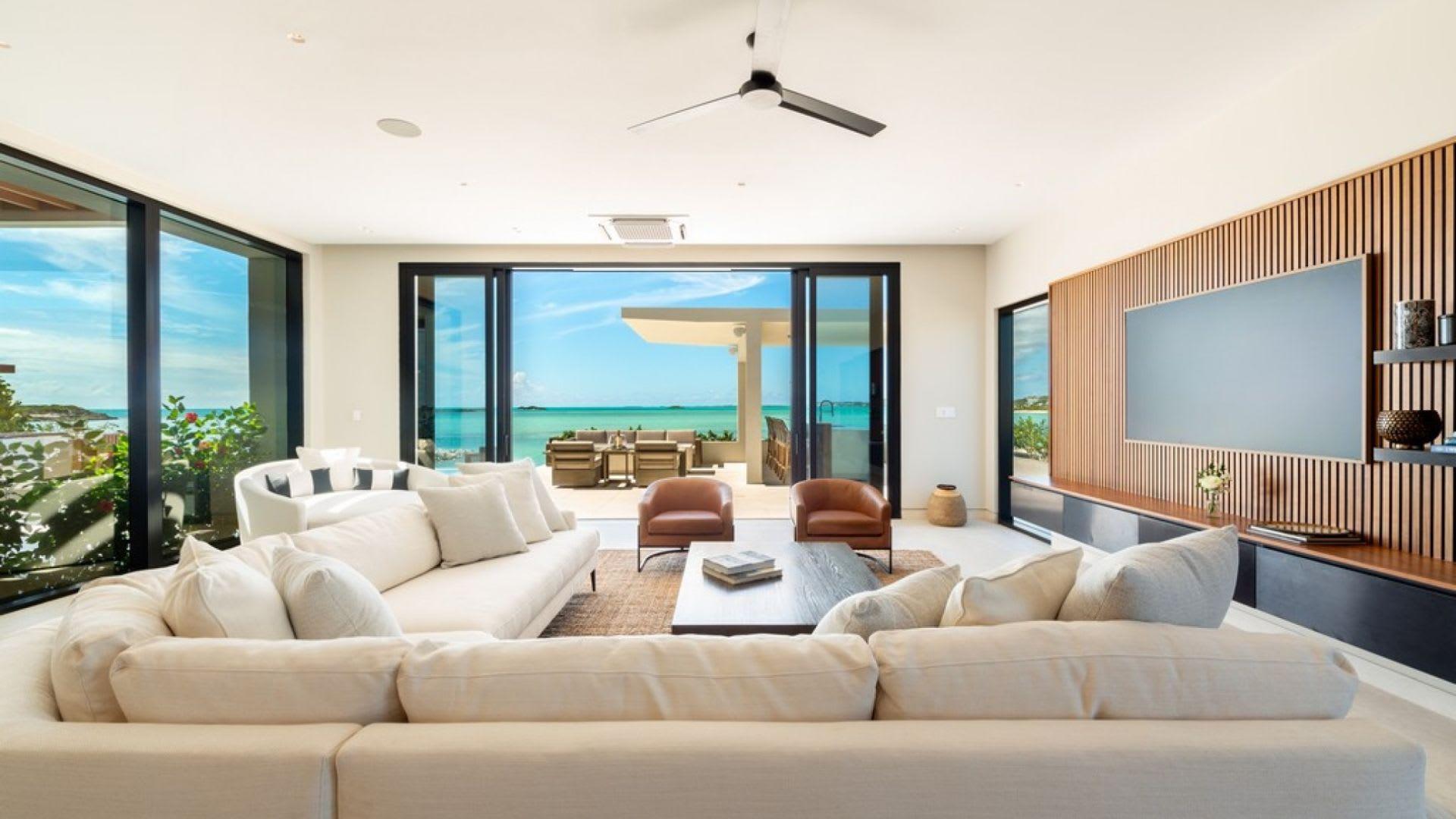
Around the Mediterranean, Crete, Tuscany, the Veneto, Puglia, Mallorca and Ibiza have villas with solar arrays, and restored stone farmhouses whose thick walls do much of the cooling that air conditioning would otherwise do. Copenhagen adds a small group of city homes, which is unusual for us and very Danish. Further away, Cape Town's solar-powered villas have a practical argument as well as an ethical one, given how often the city's grid has been under strain.
03
Ask what, not whether. 'Eco-friendly' on its own means nothing; 'solar panels supply the hot water and a heat pump warms the pool' means something. The more specific an owner is, the more likely the claim is real, and the team can ask for that detail on your behalf.
Certification helps when it comes from an independent scheme with an audit, rather than a badge the owner designed. Building standards help too, because they describe how the house was built rather than how it is marketed.
Be fair about the limits. The flight to reach a house usually outweighs anything the house saves in a week, and a heated infinity pool in the shoulder season draws a lot of power, whatever produces it. The greener choice is often a longer stay, a train to the resort, and a house sized for your group rather than a bigger one.
04
The cleanest part of an Alpine holiday is often the journey. Zermatt is car-free and reached by train. Verbier is a train ride to Le Châble and a gondola up, and Gstaad has its own station on the line from Montreux. Val d'Isère is a transfer from Bourg-Saint-Maurice, which has direct trains from Paris in the ski season. Copenhagen is an easy city to reach by rail from much of northern Europe.
Once you are there, many of these homes are within walking distance of a village or close to a ski bus, and some have charging points if you do drive an electric car. Tell us how you want to travel and we will plan the transfers around the train times rather than the other way round.
Where to go
France · Italy · Croatia · Switzerland · South Africa · Greece · Spain · USA
Before you book
Ask what powers the house; the answer should name the system, not just the word 'eco'.
In a chalet with underfloor heating, set the temperature once and leave it, because it reacts slowly.
If the pool is heated by a heat pump, ask for it to be switched on before you arrive.
In solar-powered villas, run laundry and the dishwasher in daylight if the owner asks.
Look at the train for Alpine resorts: Zermatt, Verbier and Gstaad are all reachable by rail.
Pick a house that fits your group; empty bedrooms are still heated and cleaned.
Stay longer and fly less often; one long holiday is lighter than several short ones.
A real feature you could point to. In this collection that means solar power, a heat pump or geothermal heating, a renewable energy supply, water recycling, independent eco certification or sustainable construction, named in the home's own listing. An electric car charger on its own does not count. The label matters less than the detail, so ask us what a particular house runs on.
Yes, and the Alps are where this collection is strongest. Val d'Isère, Verbier and Zermatt have the most, with newer chalets built to low-energy standards and heated by ground-source or air-source heat pumps. Several are reachable by train, which does more for the footprint of a ski week than anything inside the chalet.
No. The features that make a house efficient are mostly invisible: insulation, panels on the roof, a heat pump in the plant room. Underfloor heating from a heat pump is arguably more comfortable than radiators. The only differences you may notice are a request to run appliances in daylight, and a pool that takes longer to warm if you have not asked ahead.
Most do. Solar power often runs the air conditioning during the day, and heat pumps are now the usual efficient way to warm a pool. A heated pool is still one of the biggest energy uses in any villa, so if it matters to you, ask about the pool system specifically, and turn the heating down on days nobody swims.
Often, yes. Zermatt is car-free and reached by train, Verbier is a train and a gondola away, and Gstaad has its own station. Val d'Isère is a transfer from Bourg-Saint-Maurice, which has direct trains from Paris in the ski season. Tell us where you are starting from and we will plan the transfers around the timetable.
We start from what the owner states in the listing, and the team asks follow-up questions when a claim is vague. We do not run our own energy audit, so where a house holds an independent certification, that is the stronger evidence. If a claim turns out to be wrong, the home leaves the collection.
France and Italy have the most, then the United States, Croatia, Spain, Greece and Switzerland. By destination, Val d'Isère leads, followed by Copenhagen, Crete, Verbier, Tuscany and the Veneto. The page shows the live list beside this guide, and it changes as owners add features or tell us more about their houses.
Smiling House also offers a concierge for private chefs, transfers, ski instructors, yachts and cars, a VIP Club with first access to new residences and member rates, chalets for sale in the Gstaad region through its real estate division and instantly bookable homes with live availability.