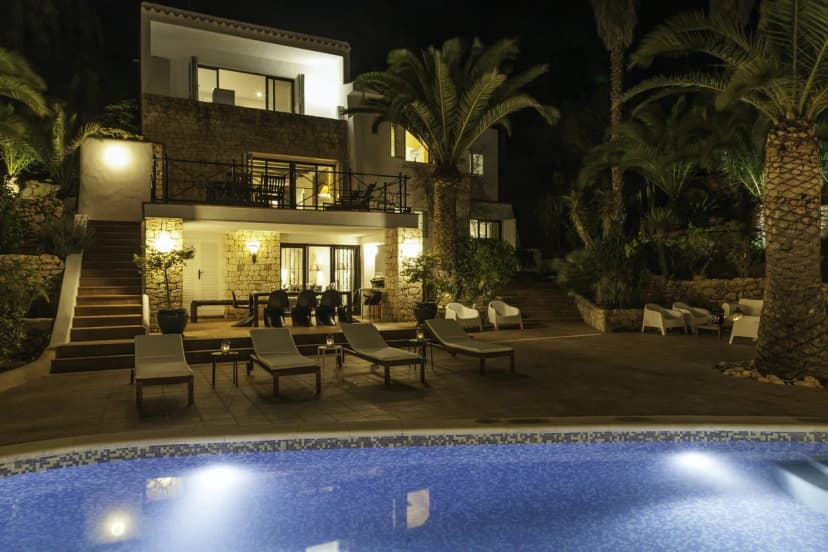
Beautiful Ibiza villa with swimming pool, set over several levels
Gran Canaria, Spain
Spain Canary Islands
Nov 3 – 17 · $153,108 for 14 nights
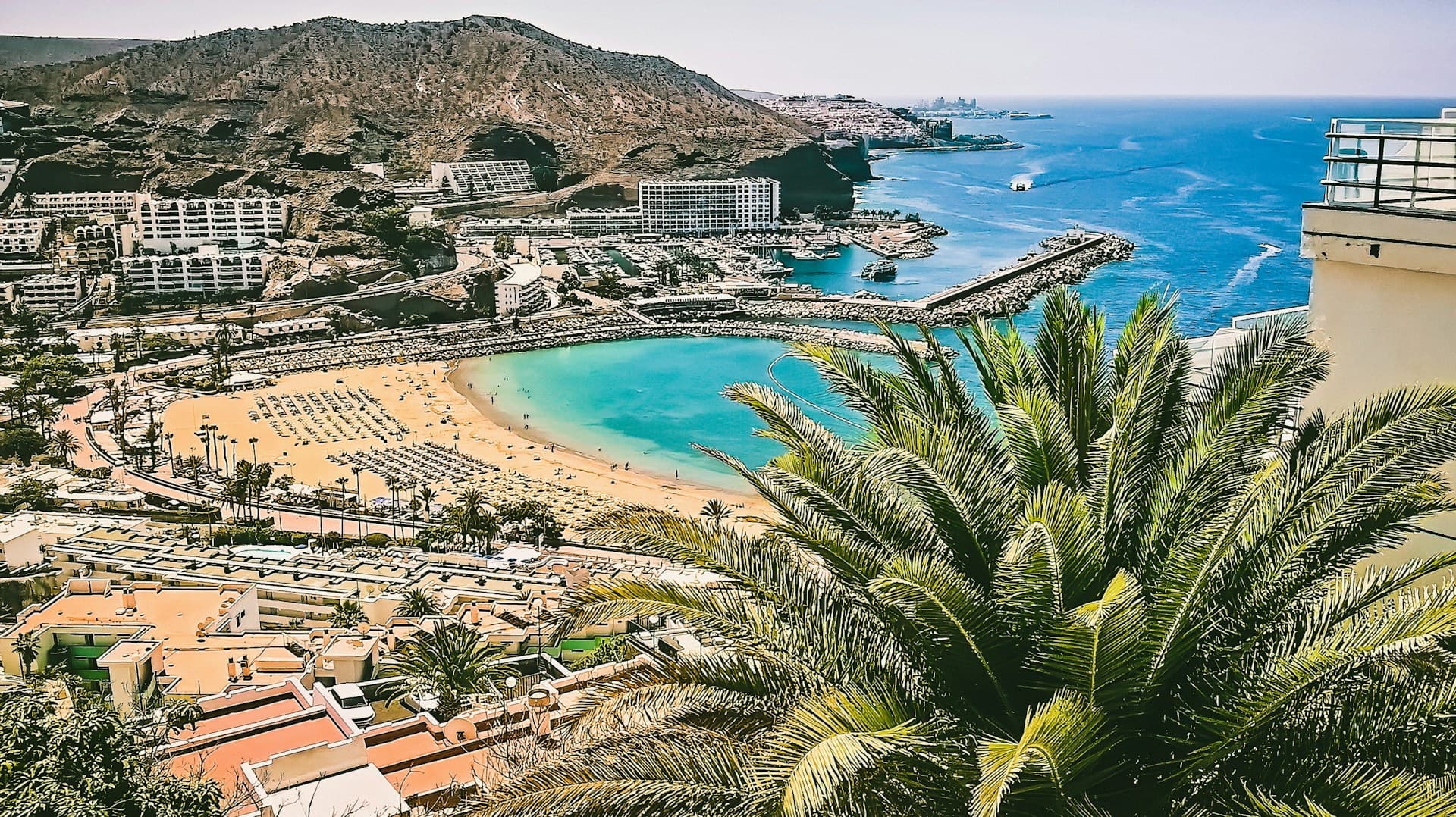 Photo by K. Mitch Hodge on Unsplash
Gran Canaria packs deserts of golden dunes, pine-forested peaks, banana-green valleys and a vibrant Spanish capital into one Atlantic island, all warmed by one of the world's most agreeable climates. A luxury villa here means a private pool in the sunshine every month of the year, with beaches, mountains and Canarian villages never more than an hour away.
Updated November 2026
The world-music festival founded by Peter Gabriel stages a free seaside edition in the capital, with global artists performing by Las Canteras. A cultured highlight of the winter-sun season.
One of Spain's great carnivals fills the capital with weeks of parades, costume galas and street parties, echoed by the Maspalomas Carnival in the south. The island's most exuberant season, worth booking far ahead.
Agaete's famous branch-waving procession, rooted in ancient rain-summoning ritual, dances down the valley to the sea in one of the Canaries' most beloved fiestas. A remarkable spectacle of local tradition.
Warm, settled days suit both beach and mountain, with the interior green from winter rains and trails to Roque Nublo at their best.
The hottest sea temperatures and endless sunshine make peak beach season, while Agaete's Fiesta de la Rama in August adds an unforgettable dose of island tradition.
The crowds thin while the sunshine holds, coffee and tropical fruit harvests animate the Agaete valley, and WOMAD brings world music to the capital's shore.
Mild, bright days around 20 degrees draw winter-sun seekers to the dunes and villa pools, with Carnival preparations building towards the year's biggest party.
Smiling House also offers a concierge for private chefs, transfers, ski instructors, yachts and cars, a VIP Club with first access to new residences and member rates, chalets for sale in the Gstaad region through its real estate division and instantly bookable homes with live availability.
Gran Canaria is often called a continent in miniature, and each coast has its own character. The sunny south, around Maspalomas, Meloneras and the hills above, is the classic villa territory: reliable warmth, golf courses, marinas and the famous dunes, with the airport around 25 minutes away. Las Palmas de Gran Canaria in the north-east is a genuine Spanish city, pairing the golden crescent of Las Canteras beach with the cobbled Vegueta old town where Columbus once called. The north-west around Agaete is the island's green secret, a valley of tropical fruit farms and Europe's only coffee plantations dropping to a fishing port with natural sea pools. Inland, whitewashed hill towns such as Tejeda and Fataga sit beneath volcanic peaks. Choose the south for sun-certain beach living, Agaete or the hills for privacy and dramatic scenery, and let the concierge tailor the rest.
Walk the Maspalomas dunes at sunrise, when the sand glows like the Sahara and the crowds are still asleep, then spend beach days at Meloneras, Amadores or city-side Las Canteras with its calm, reef-protected water. The interior deserves at least one full day: drive up through Fataga's palm canyon to Tejeda, hike to the basalt monolith of Roque Nublo and look across to Teide on Tenerife. Boat trips from Puerto Rico and Puerto de Mogán often sight dolphins, and the Atlantic offers year-round surfing, sailing and deep-sea fishing. In the north, tour a coffee farm in the Agaete valley, swim the natural rock pools by the port and explore Vegueta's cathedral quarter and the Casa de Colón in Las Palmas. Golf, spa days and stargazing in the high interior round out the island's range, all easily arranged by the concierge.
Canarian cooking is honest, sun-fed and quietly distinctive. Order papas arrugadas, wrinkled salt-crusted potatoes with red and green mojo sauces, fresh grilled fish in harbour towns such as Agaete's Puerto de las Nieves, and slow-cooked stews in the hill villages. The island produces its own cheeses, notably the prized flor de Guía, tropical fruit, wines from volcanic slopes and, uniquely for Europe, coffee grown in the Agaete valley. Las Palmas has the liveliest dining scene, from tapas counters in Vegueta to modern Canarian kitchens, while the southern marinas offer polished waterfront tables. At the villa, breakfasts of local fruit and evenings with a private chef grilling fish by the pool suit the climate perfectly; the concierge handles reservations, tastings and market visits.
There is no wrong month. Gran Canaria's south coast enjoys mild, sunny weather year-round, which is precisely why northern Europeans have wintered here for generations: expect pleasant warmth from October to May when much of Europe shivers, making it one of the world's great winter-sun destinations. June to September brings the hottest beach weather, warmest seas and long evenings, ideal for family summers. Spring and autumn are perfect all-rounders for combining coast and mountain days, with hiking conditions at their best in the cooler months. Book well ahead for Christmas, New Year and the February to March Carnival season, when the island is at its most festive.
Gran Canaria Airport (LPA) is among Spain's busiest, with year-round direct flights from across Europe, mainland Spain and beyond; flight times run roughly four to five hours from northern Europe. The airport sits on the east coast, around 25 minutes from the southern villa areas and a similar distance from Las Palmas. Inter-island flights and ferries connect Tenerife and the rest of the archipelago for island-hopping. A hire car is worthwhile for exploring the volcanic interior and the Agaete valley, and the concierge can arrange private transfers, drivers and boat charters from the southern marinas.