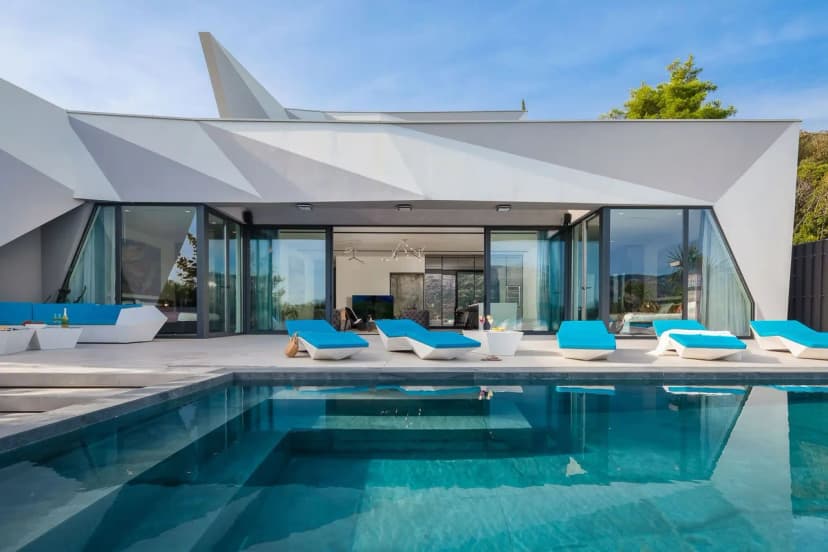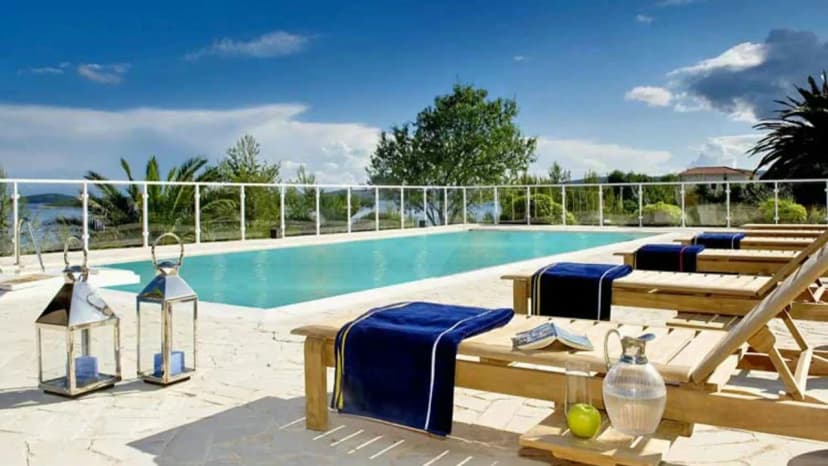
Pelješac Paradise With Adriatic ViewsN°001
Korcula, Croatia
Orebic
Private poolSea view
Oct 24 – 31 · $12,275 for 7 nights
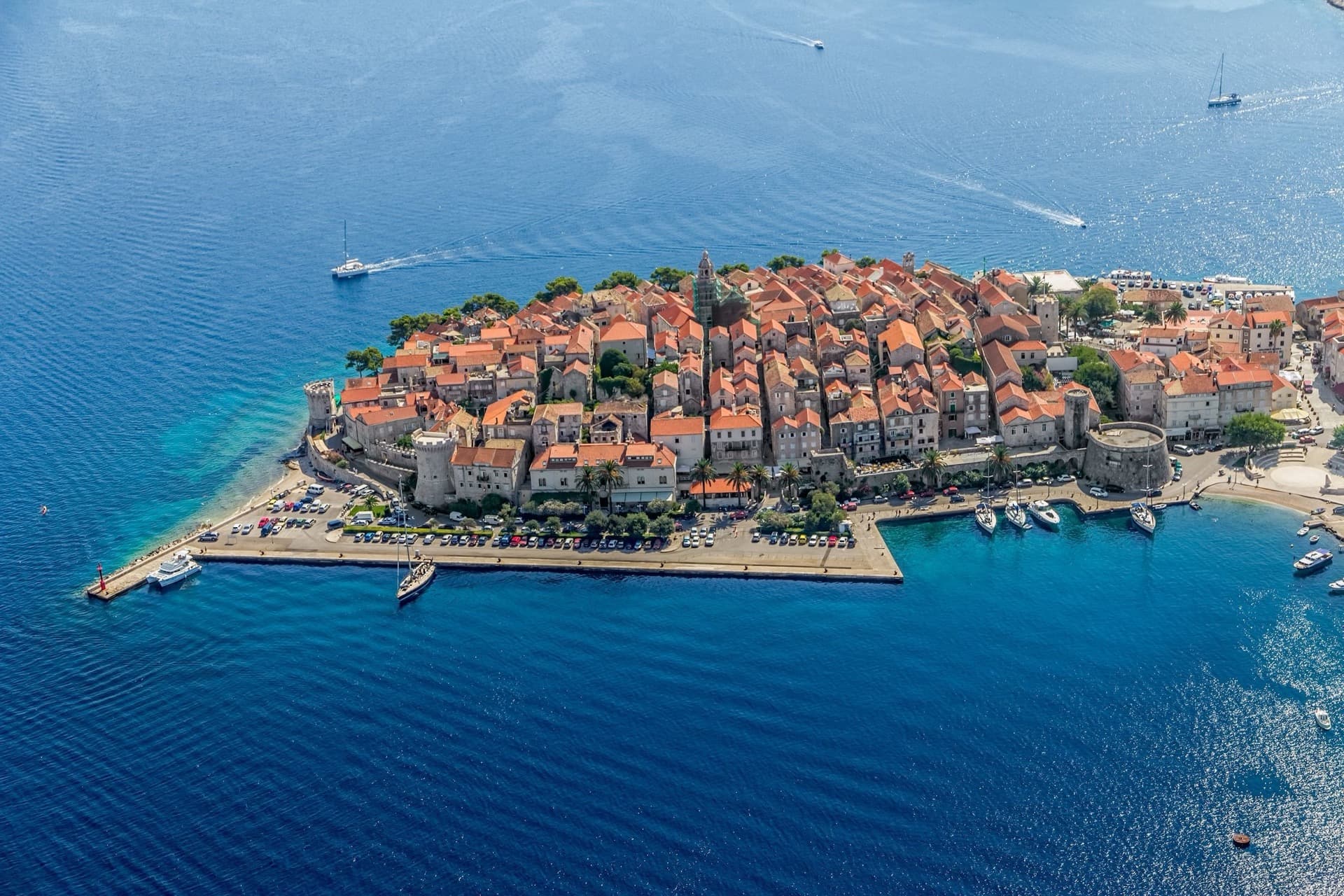
Korcula is a green, vineyard-clad island in Croatia's southern Adriatic, ringed by pine forests, pebble coves and medieval stone towns. Renting one of the luxury villas in Korcula gives you a private pool, sea views and concierge ease, well placed for swimming, sailing and exploring the storied old town.
Updated October 2026
Korčula Town's centuries-old religious brotherhoods process through the old town by candlelight in the nights before Easter. One of the Adriatic's most moving living traditions.
Korčula's famous Moreška, a choreographed sword battle performed here since the Middle Ages, has its principal annual performance on the town's feast day, with staged performances through summer. Unmissable if your dates align.
International early-music ensembles perform in the cathedral and Renaissance palaces of Korčula Town. Baroque music in stone squares as the summer heat softens.
The Grk and Pošip vineyards around Lumbarda and Čara leaf out and the first swims arrive by late May. Quiet roads make it prime cycling and walking season.
Sword dances in town, swimming coves along the south coast and boat days to the Skoji islets. A villa with a pool escapes the old town's evening buzz.
Grape and olive harvests coincide with the Korkyra Baroque Festival while the Adriatic stays swimmable. The island at its most authentic.
Korčula Town's marble lanes empty to their residents, with mild, changeable days and konobas serving the new season's wine and oil. For travellers who like islands to themselves.
Every home in Korcula that can be booked with Smiling House, as a plain list.
Smiling House also offers a concierge for private chefs, transfers, ski instructors, yachts and cars, a VIP Club with first access to new residences and member rates, chalets for sale in the Gstaad region through its real estate division and instantly bookable homes with live availability.
Korcula sits off the Peljesac peninsula in Croatia's southern Adriatic, one of the greenest of the larger islands thanks to dense Aleppo pine and cypress forests. Its centrepiece is Korcula Town, a compact walled settlement of pale stone laid out in a herringbone pattern to temper wind and sun, crowned by St Mark's Cathedral. Beyond the old town, the island unfolds into vineyards, olive groves and a string of quiet fishing villages. The pace is gentle and unhurried, with a cultured, maritime heritage that includes the Moreska sword dance and a long tradition of stone masonry and shipbuilding.
Luxury villas in Korcula cluster around Korcula Town, the sandy bays of Lumbarda and hillside hamlets with open sea views. Korcula Town suits those who want to walk to restaurants, galleries and the waterfront promenade. Lumbarda, a short drive east, offers vineyards and the island's best sandy beaches, ideal for families. Inland villages such as Cara, Smokvica and Blato place you among working wineries and olive terraces, while the western end near Vela Luka feels more remote. Smiling House offers a curated collection of villas with private pools, landscaped gardens and concierge support across these areas.
Days revolve around the sea: swimming from pebble coves, kayaking the sheltered channels and chartering a boat to nearby islets, the Peljesac peninsula or Mljet National Park. Wine lovers should taste the island's indigenous Posip and the rare Grk grown only around Lumbarda. In Korcula Town, wander the medieval lanes, climb the cathedral tower and watch the Moreska, a traditional sword dance performed in summer. Cyclists and walkers enjoy vineyard trails and pine-shaded paths, while the calm waters off Lumbarda and Pupnatska Luka reward unhurried beach days. A concierge can arrange skippered charters, tastings and private guides.
Korcula's table is rooted in the sea and the land. Expect grilled and salt-baked fish, octopus prepared peka style under a bell of embers, brodet stew and house-pressed olive oil. The island is also known for zrnovski makaruni, hand-rolled pasta, and almond sweets such as klasun and cukarini. Konobas, the traditional taverns, serve alongside the local Posip and Grk whites and Plavac Mali reds from the neighbouring Peljesac vineyards. Korcula Town's waterfront and the courtyards of Lumbarda are pleasant for long, late dinners, and your villa team can secure tables or arrange a private chef.
The season runs from late spring to early autumn. July and August bring the warmest sea and liveliest atmosphere, while June and September offer comfortable heat, calmer towns and excellent swimming. Korcula has no airport, so most travellers fly into Dubrovnik or Split and continue by car ferry or passenger catamaran. From Dubrovnik the route runs via the Peljesac peninsula to the Domince ferry port near Korcula Town; from Split, fast catamarans connect in the warmer months. A Smiling House concierge can coordinate transfers, charters and the final leg to your villa.