
Modern Dalmatian Villa in Scenic HvarN°001
Hvar, Croatia
Sea View
From $11,627 per night
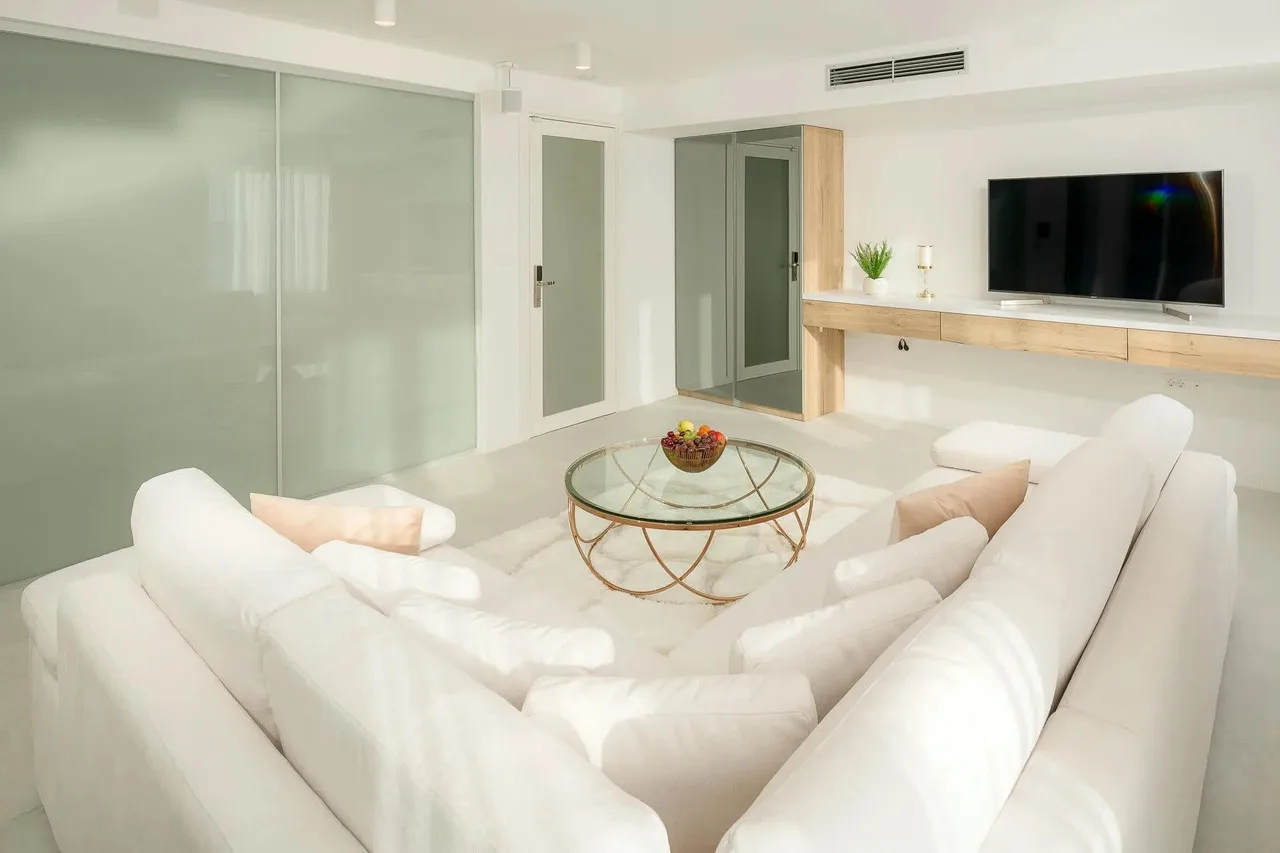
Split-Dalmatia County is the core of the Croatian coast, running from Roman Split and medieval Trogir along the riviera to Podstrana and out to the islands of Brač and Hvar. A private villa here pairs UNESCO-listed history and famous beaches with the space, pool and concierge support that a Dalmatian summer deserves.
Split celebrates its patron saint with processions, concerts and stalls along the Riva around 7 May. The city's most heartfelt festival and a fine excuse for an early-season stay.
One of the world's leading electronic music festivals brings three days of headline DJs to Split each summer, with boat parties spreading to the islands. Book villas and transfers far ahead for this week.
Opera, theatre and dance staged since 1954 in open-air settings, including the peristyle of Diocletian's Palace. Roman architecture as a stage set is an experience unique to Split.
Split dresses its old town in Roman costume, with legionaries, chariots and the emperor greeting crowds on the peristyle. Great fun for families at the tail end of high season.
Mild weather makes spring ideal for exploring Diocletian's Palace, Trogir and Marjan hill's trails, with flowering hillsides on Brač and the first warm swimming days in May.
Peak Adriatic: daily catamarans to Bol and Hvar, beach clubs, and open-air opera and festivals in Split. A private pool and shaded terrace are worth their weight in gold.
September brings the warmest sea of the year and emptying beaches, followed by the grape and olive harvests. October suits Biokovo hikes and Cetina river days.
Cafe life on the Riva, Advent stalls in the palace lanes and quiet museums show Dalmatia's capital as residents know it. A characterful season for city-and-coast stays.
The county fans out from Split, the lively Dalmatian capital built in and around the 1,700-year-old palace of the emperor Diocletian. East along the coast, Podstrana offers a villa-friendly riviera within twenty minutes of the old town, with pebble beaches and mountain views. West lies Trogir, a UNESCO-listed islet town of Romanesque lanes, and beyond it the quieter Čiovo coast. A short ferry ride away, Brač delivers a different register altogether: stone villages such as Škrip, said to be the island's oldest settlement, the harbour of Sumartin at its eastern tip, and the celebrated beach at Bol. Further out, Hvar adds glamour and lavender fields. Our villas cluster along the Podstrana riviera and on Brač, with private pools, sea views and concierge support throughout.
Split rewards slow exploration: coffee on the Riva, the cellars and peristyle of Diocletian's Palace, the cathedral bell tower and a sunset walk up Marjan hill's pine trails. From the harbour, day boats reach Hvar town, the Pakleni islands and the Blue Cave on Biševo. On Brač, climb or drive to Vidova Gora, the highest point on any Adriatic island, for the classic view over Zlatni Rat's shifting spit of pebbles, then trace the island's stonemasonry heritage in Škrip's museum and quarrymen's villages. Active travellers have sea kayaking beneath Marjan, rafting on the Cetina river near Omiš and the Biokovo Skywalk above the Makarska Riviera. Trogir, a film set of a town, is an easy half day, and your concierge can arrange skippered charters, guides and transfers between coast and islands.
Dalmatian food is the Mediterranean at its most direct: fish grilled over vine cuttings, octopus slow-baked under a peka bell, black cuttlefish risotto and sheep's cheese from the islands. Split's Varoš and Veli Varoš quarters hide family-run konobas, while the green and fish markets beside the palace supply the raw material for a private chef at your villa. On Brač, look for lamb from stony pastures, olive oil pressed in village mills and vitalac, the island's ancient spit-roast speciality. Local wines deserve attention, from Plavac Mali reds grown on nearby slopes to crisp whites such as Pošip. The concierge can book tastings, seafront tables and boat-to-table lunches in island coves.
The season runs long. May and June bring warm seas, flowering hillsides and comfortable sightseeing in Split and Trogir, while September may be the finest month of all, with the Adriatic at its warmest and the crowds gone. July and August are peak Dalmatia: hot, busy and festive, with open-air events most evenings, best enjoyed from a private pool rather than a packed beach. October stays mild enough for hiking and wine tours. Winter is quiet and local, when Split's cafes and markets belong to the Splićani, and a villa stay suits travellers who prefer atmosphere and culture to swimming.
Split Airport (SPU) sits between Trogir and the city, around twenty-five minutes from the centre and well served by direct flights from across Europe, with long-haul connections via major hubs. From the airport, the Podstrana riviera is under an hour by car. Brač is reached by ferry from Split to Supetar in about fifty minutes, or via the Makarska to Sumartin crossing for the island's eastern end; catamarans link Split with Bol and Hvar in season. A car is useful on the mainland and essential for exploring Brač, and your concierge can arrange private transfers, speedboat pickups and ferry bookings.


