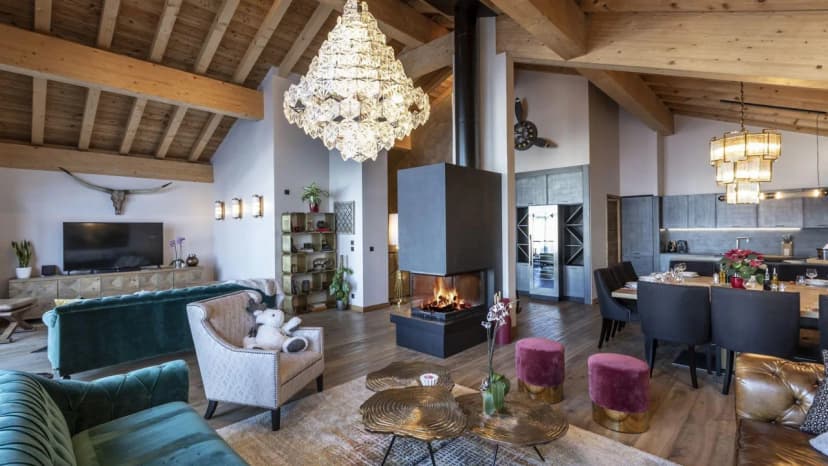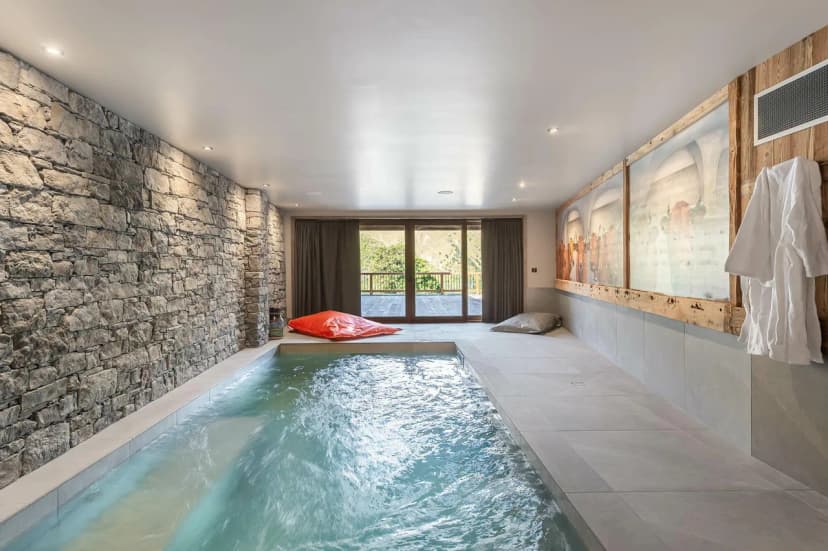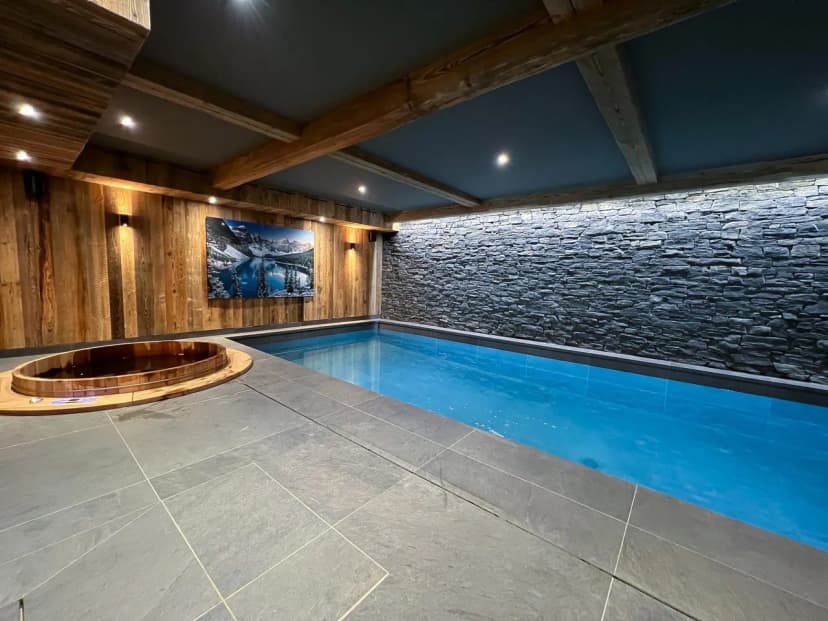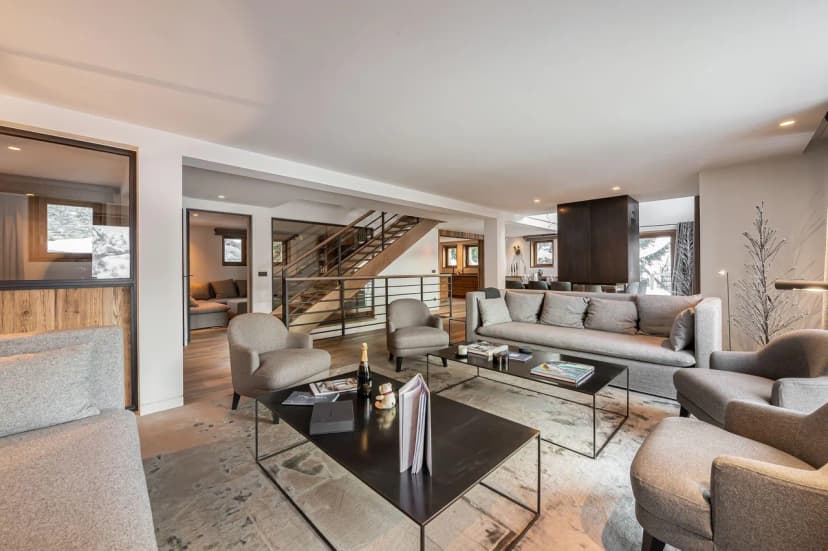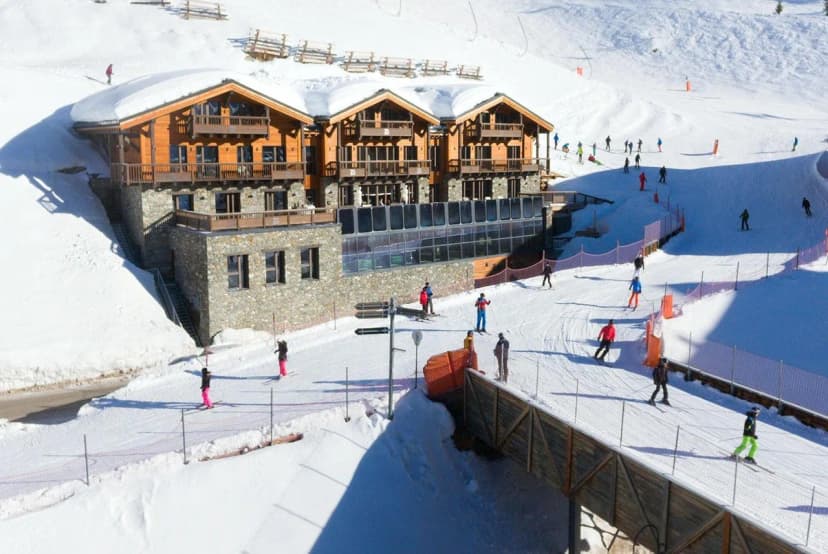
A luxurious chalet from which to enjoy the ski paradise of Val Thorens
Saint-Martin-de-Belleville, France
Val Thorens
Private pool
Price on request
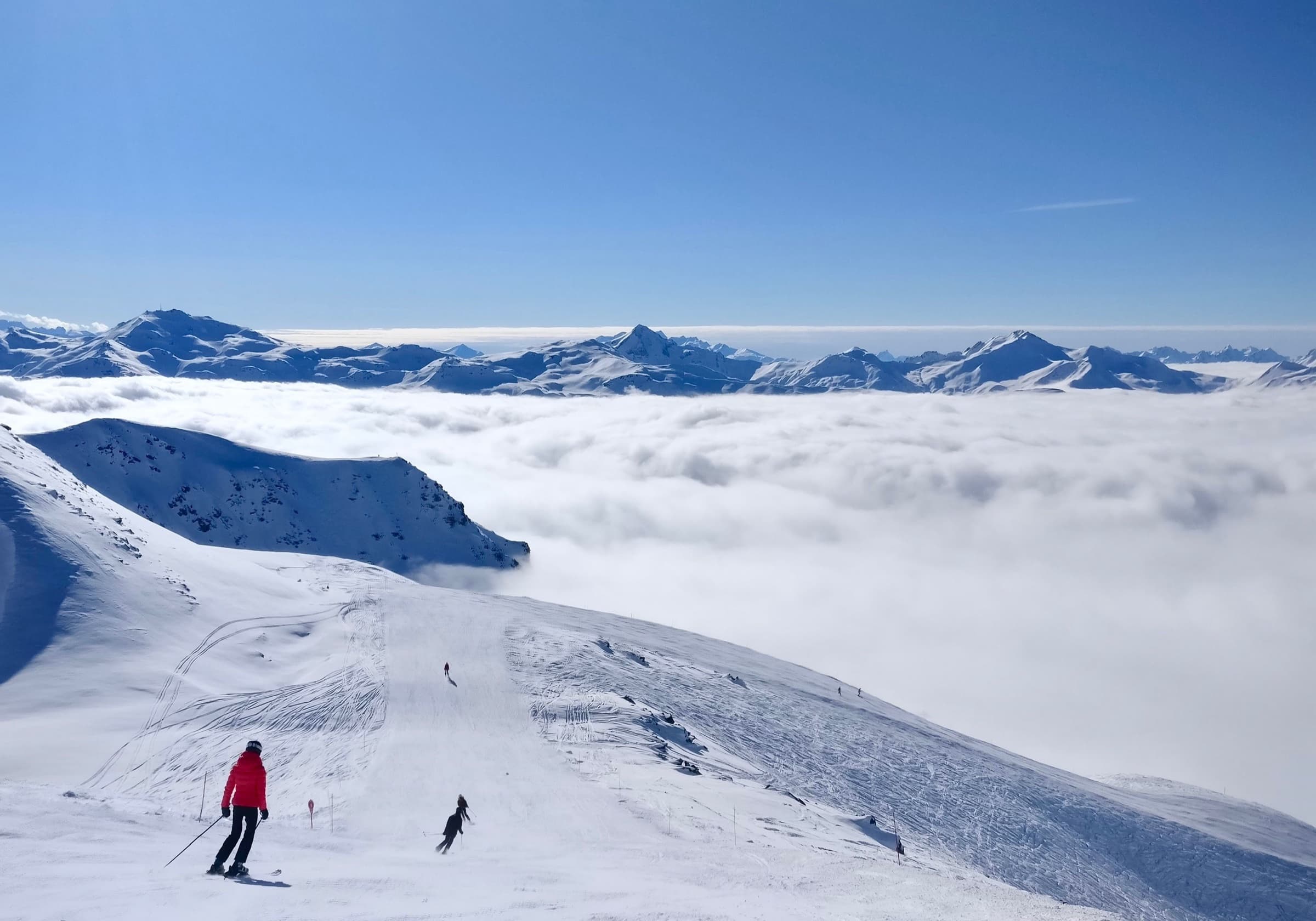 Photo by Michiel
Val Thorens sits at 2,300 metres in the French Alps, the highest ski resort in Europe and the snow-sure summit of Les 3 Vallées, the largest linked ski area in the world with some 600 kilometres of pistes. A luxury chalet or ski-in/ski-out residence here means doorstep skiing from late November into early May, with concierge, chefs and lift passes handled for you.
Updated November 2026
Val Thorens opens the French ski winter with a festival weekend of testing, music and first turns, weeks before most Alpine resorts wake up.
The resort traditionally hosts the opening rounds of the Ski Cross World Cup, with world-class racing on a purpose-built course and a festive early-season atmosphere.
The famous French ice-racing championship visits the Alain Prost circuit, the highest ice track in Europe, for spectacular wheel-to-wheel racing under the lights.
Altitude gives Val Thorens reliable early snow, with the Grande Première opening festival, World Cup racing and festive weeks on fresh pistes.
The deepest, driest snow of the year across 600km of linked pistes; January is quiet and pristine, February bright and buzzing with holiday energy.
Long sunny days, soft afternoon snow and terrace lunches at 2,300m, with conditions holding up here long after lower resorts close.
A short, serene summer season of lift-served mountain biking, alpine hiking and cool air above 2,300m, a world away from the winter crowds.
Every home in Val Thorens that can be booked with Smiling House, as a plain list.
Smiling House also offers a concierge for private chefs, transfers, ski instructors, yachts and cars, a VIP Club with first access to new residences and member rates, chalets for sale in the Gstaad region through its real estate division and instantly bookable homes with live availability.
Val Thorens crowns the Belleville valley, a purpose-built, largely traffic-free resort where nearly everything is ski-in/ski-out by design. The village arcs around its pistes, so choosing a chalet or premium residence here is less about neighbourhood and more about position: front-de-neige homes step straight onto snow, while those near Place Caron keep shops, restaurants and the sports centre closest. Down the same valley, Les Menuires and the old Savoyard village of Saint-Martin-de-Belleville, with its stone chalets and celebrated dining, offer a gentler register on the same lift system, and both link into the full Three Valleys circuit. Courchevel and Méribel lie one ridge east, reachable on skis. Our collection favours true ski-in/ski-out chalets and spacious apartments with hot tubs, saunas and concierge service, because at this altitude the point is to maximise time on snow.
The skiing is the headline: from Val Thorens you can range across 600 kilometres of linked pistes in the Three Valleys, from the Péclet glacier and the panoramic Cime Caron, one of the great lift-served summits of the Alps, to long valley runs towards Saint-Martin and the famous descents into Courchevel and Méribel. Snow parks, gentle beginner zones and extensive off-piste with guides cover every level. Beyond the pistes, Val Thorens has built a full winter playground: one of the longest toboggan runs in France, ice driving on the Alain Prost circuit, the highest zip line experiences in the area, snowshoeing, paragliding over the peaks and a large sports and wellness centre. Après ranges from the exuberant La Folie Douce on the slopes to relaxed village bars. In July and August the resort reopens quietly for high-altitude hiking and mountain biking.
Savoyard cooking suits altitude: raclette, fondue and tartiflette built on the region's Beaufort and Reblochon cheeses, alongside dried meats and robust Savoie whites like Apremont. Val Thorens itself has grown into a serious dining destination, with everything from slope-side lunch terraces to refined gastronomic rooms, and the Belleville valley below holds some of the most celebrated restaurants in the Alps, notably in Saint-Martin-de-Belleville, worth a long lunch reached on skis. Mountain hut lunches at altitude are part of the rhythm of a Three Valleys day. In your chalet, private chefs turn the local larder into effortless dinners after skiing, and your concierge secures the hard-to-get tables, arranges in-chalet fondue evenings and stocks the fridge before you arrive.
Altitude gives Val Thorens the longest ski season in the Alps, typically late November to early May, and the surest snow in any given week. December delivers festive atmosphere and early-season snow; January is the connoisseur's month, cold and quiet with pistes at their emptiest. February brings peak school-holiday energy across Europe, so book chalets far ahead. March and April are glorious here when lower resorts soften: sunny terraces, reliable snow up high and long spring days, with the season closing in early May. Summer is short and serene, with the lifts running in July and August for hikers and mountain bikers. For most guests, the sweet spots are mid-January and mid-March.
Geneva (GVA) and Lyon Saint-Exupéry (LYS) are the main gateways, each around two and a half hours by road, with Chambéry (CMF) closer still and busy with winter charters; Grenoble (GNB) is another seasonal option. The nearest railway station is Moûtiers, served by direct TGV and international winter services, with the final climb to resort taking about 45 minutes by transfer. Val Thorens is largely car-free in the centre, so most guests arrive by private transfer arranged through the concierge, who can also organise helicopter transfers for those pressed for time. Once in resort, skis replace cars: lifts, shops and restaurants all sit within the village.